Researchers Develop Automated AI Method For Honey Pollen Analysis
Scientists at the Helmholtz Centre for Environmental Research and iDiv in Leipzig have created an automated system that matches conventional pollen testing results with 98 percent accuracy.
New Technology Speeds Up Testing
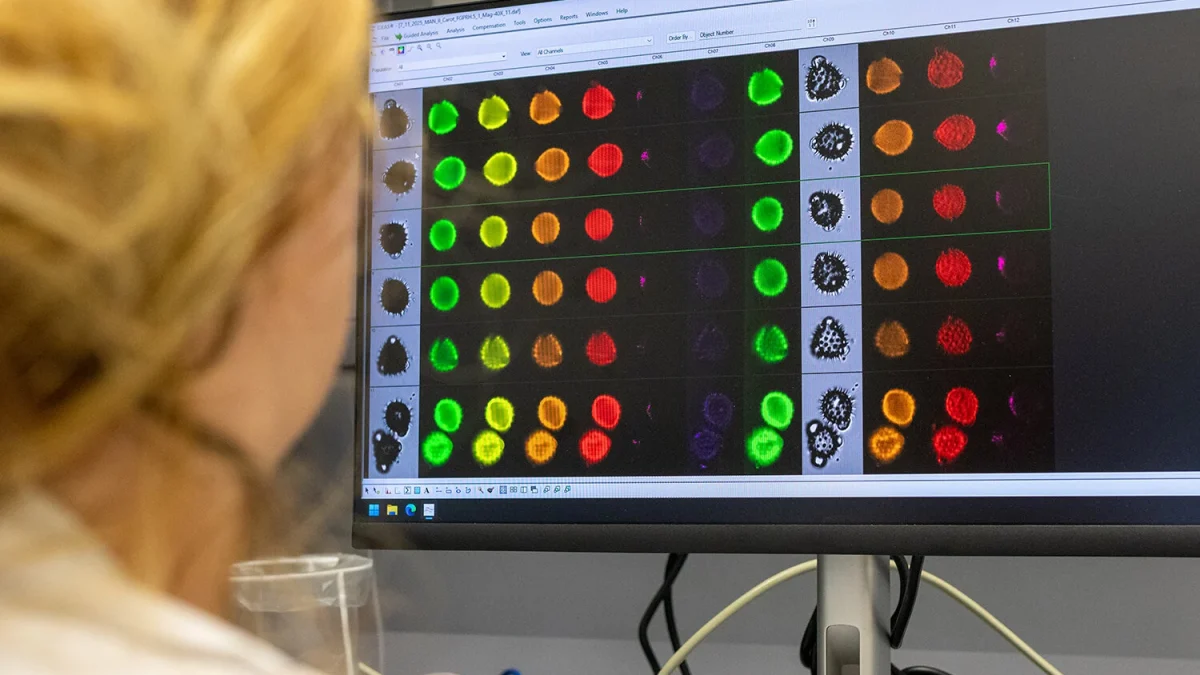
A collaborative team developed an artificial intelligence method to identify pollen grains in honey samples quickly. The process uses multispectral imaging and machine learning to count particles automatically without manual microscopy. Researchers can measure up to 2,000 individual pollen grains per second using this new setup. This automated approach serves as a fast pre-screening tool before detailed laboratory analysis begins.
Training Data Comes From Multiple Sources
The system was trained on microscopic images from six specific single-flower honey types including rapeseed and sunflower. Additional training data included pollen collected directly from corresponding plant species in the field. Scientists from the UFZ and Julius Kühn Institute provided these reference images for model development. Ilmenau University of Technology researchers collaborated closely to build the various AI models used here.
Study Validates Accuracy Against Standards
The team analyzed thirteen single-flower honey samples and ten mixed honey samples using their automated method. Their results showed a 98 percent agreement with conventional manual testing performed by accredited laboratories. Franziska Walther noted that the old method requires high expertise and takes significant time to complete. The new technique offers a cost-effective way to determine if further analysis is worthwhile.
Reported by one outlet
Only one outlet has published this. Nothing here has been checked against a second report, so read it as that outlet's account and follow the link below for the original.
Reported by
1 independent outlet. Headline as published. Links open the original report.