New research explains why bandicoots and bilbies evolved different snouts
Murdoch University researchers published a study in the Zoological Journal of the Linnean Society explaining how millions of years of adaptation shaped bandicoot and bilby skulls.
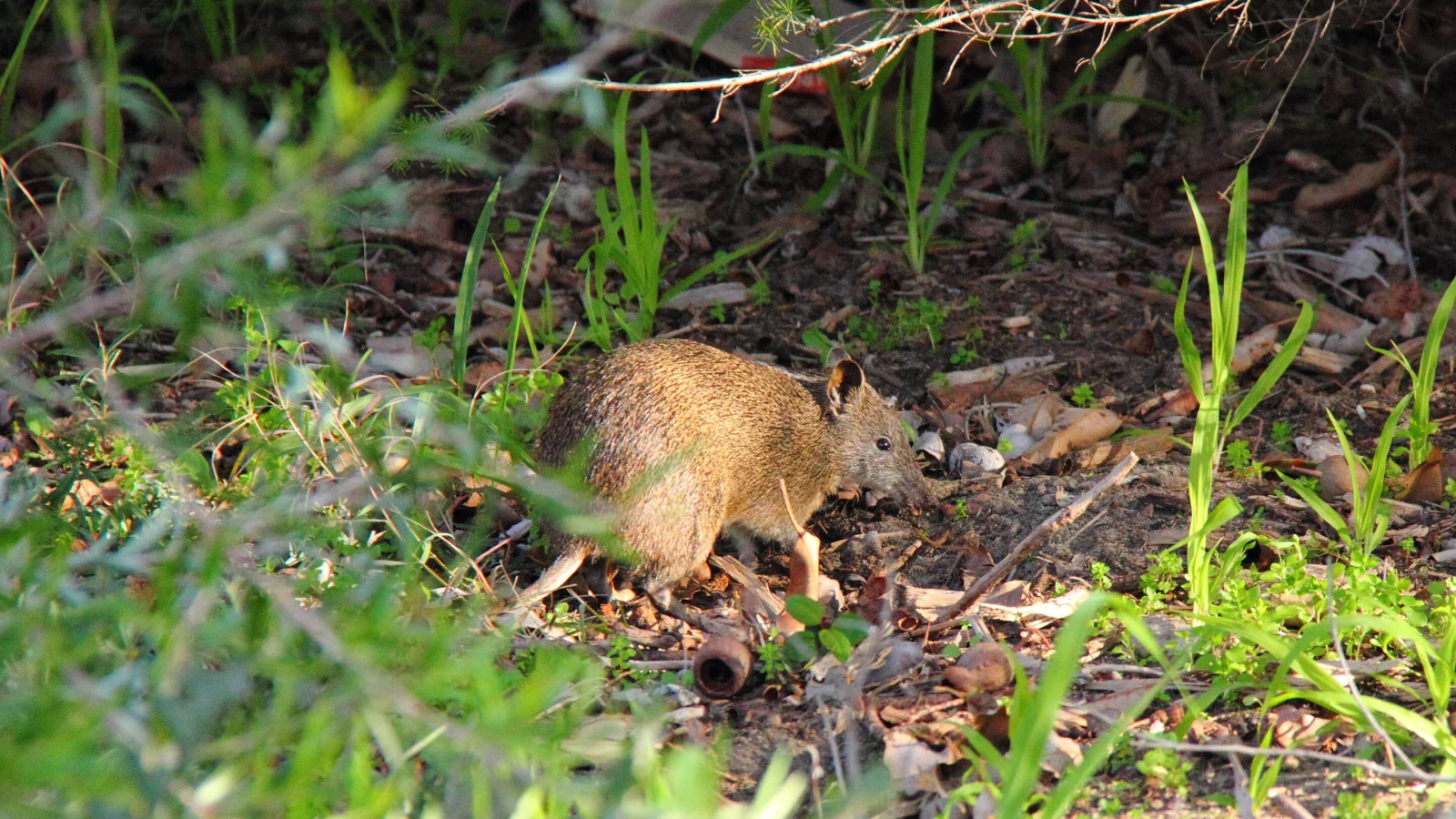
Study analyzed skull variations
Scientists compared three-dimensional scans of 127 skulls from 25 species. The group included both living animals and extinct relatives found across Australia and New Guinea. Researchers identified substantial variation in skull shape throughout the entire bandicoot family.
Climate influenced physical traits
The analysis found that around 35 percent of skull differences relate to climate, location, and body size. Short-nosed species like the quenda possess robust skulls suited for their specific environments. Longer snouts appear in other groups such as Perameles bandicoots and bilbies.
Experts note distinct shapes
Associate professor Natalie Warburton highlighted that closely related animals often live similar ways yet develop different heads. One striking difference involves the length and shape of the snouts between species. This evolution occurred as groups adapted to diverse habitats over millions of years.
Reported by one outlet
Only one outlet has published this. Nothing here has been checked against a second report, so read it as that outlet's account and follow the link below for the original.
Reported by
1 independent outlet. Headline as published. Links open the original report.