New deer bones suggest earlier human arrival in Ireland
Archaeologists found butchered giant deer remains at Ballynamintra Cave in County Waterford that date to approximately 13,500 years ago.
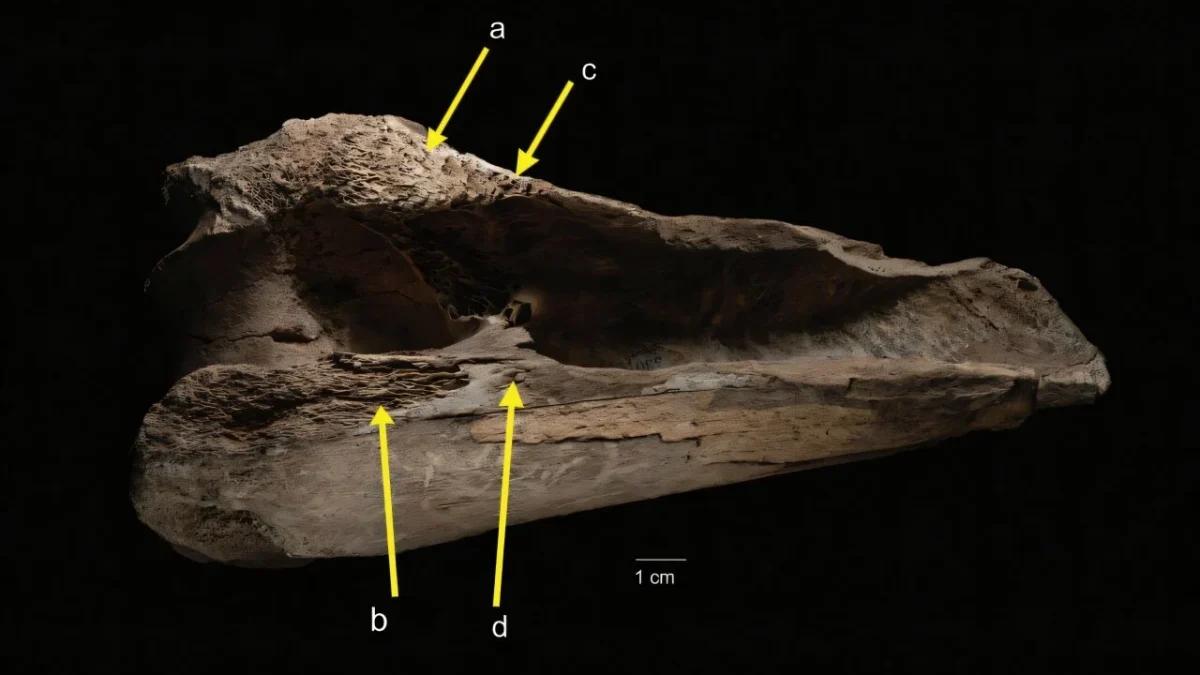
Butchered bones reveal ancient activity
A research team examined animal skeletons originally excavated from Ballynamintra Cave between 1878 and 1882. Scientists identified two leg bones of the extinct giant deer showing clear signs of human butchery. One upper foreleg displays a chopping plane consistent with heavy stone tools used to separate joints. Another lower hindleg bone shows microfractures indicating percussion impacts made to extract marrow. High-precision radiocarbon dating at the University of Oxford placed these bones between 13,573 and 13,321 years ago.
Excavations uncover intact Ice Age layers
Excavators working at the cave entrance chamber unearthed untouched sediment that held three giant deer remains alongside a red fox jawbone. Radiocarbon analysis dated this new assemblage to between 13,604 and 13,095 years ago. Samples of ancient pollen reveal a grassland landscape open to the elements, bordered by ferns, juniper, and birch trees throughout that era. These findings overturn the long-held belief that Victorian antiquarians completely emptied Ireland's bone caves of Ice Age material.
Study reshapes understanding of early dispersal
Dr Richard Jennings from Liverpool John Moores University led the study published in the Proceedings of the Royal Irish Academy. The team noted that main meat-bearing bones like ribs and pelvises are largely missing from the cave collection. Researchers suggest early hunters likely butchered carcasses at a separate kill site before transporting lower limbs to the cave. Confirming human activity at this location would push back the known arrival of people in Ireland by nearly a millennium.
Reported by one outlet
Only one outlet has published this. Nothing here has been checked against a second report, so read it as that outlet's account and follow the link below for the original.
Reported by
1 independent outlet. Headline as published. Links open the original report.