Global study shows glacial lakes accelerate ice loss
An international team published findings in Nature Climate Change showing how worldwide glacial lakes speed up glacier retreat between 2000 and 2020.
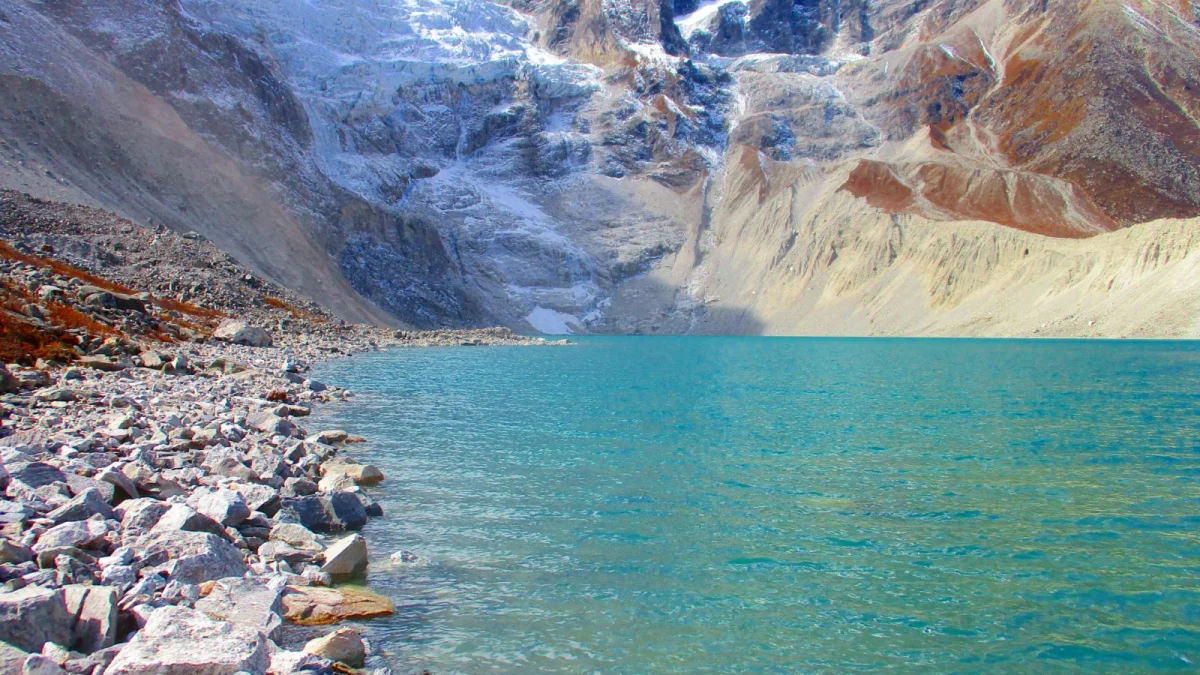
Lake contact increases melt rates
Glaciers bordering lakes lost an average of 66 centimeters of water equivalent per year during the study period. This rate exceeds the 40 centimeters per year recorded for glaciers ending on dry land. Glaciers with tongues in the sea averaged a loss of 36 centimeters per year over the same timeframe. Tobias Bolch, representing the Institute of Geodesy at Graz University of Technology, spearheaded this worldwide analysis initiative.
Lakes expanded significantly since 2000
The number of lakes directly touching glaciers rose by more than 3,500 units over twenty years. Their total surface area grew by approximately 600 square kilometers during the observation window. Researchers used satellite imagery from 2000 and 2020 combined with artificial intelligence to identify these water bodies. The expansion was particularly pronounced in Alaska and the southern Andes regions.
Factors influencing glacier mass balance
Topographical characteristics account for an average of 46 percent of the explained influence on glacier mass balance. Climatic factors such as temperature and precipitation contribute around 43 percent to the overall changes observed. Glacial lakes represent approximately 11 percent of the total influence according to the machine learning models used. These findings help estimate future changes more accurately for mountainous regions relying on meltwater.
Reported by one outlet
Only one outlet has published this. Nothing here has been checked against a second report, so read it as that outlet's account and follow the link below for the original.
Reported by
1 independent outlet. Headline as published. Links open the original report.