Singapore challenges US tariff logic over proposed levy
Singapore's government expressed strong disappointment on Thursday regarding new United States tariffs of up to 20 per cent following an eight-month trade investigation.
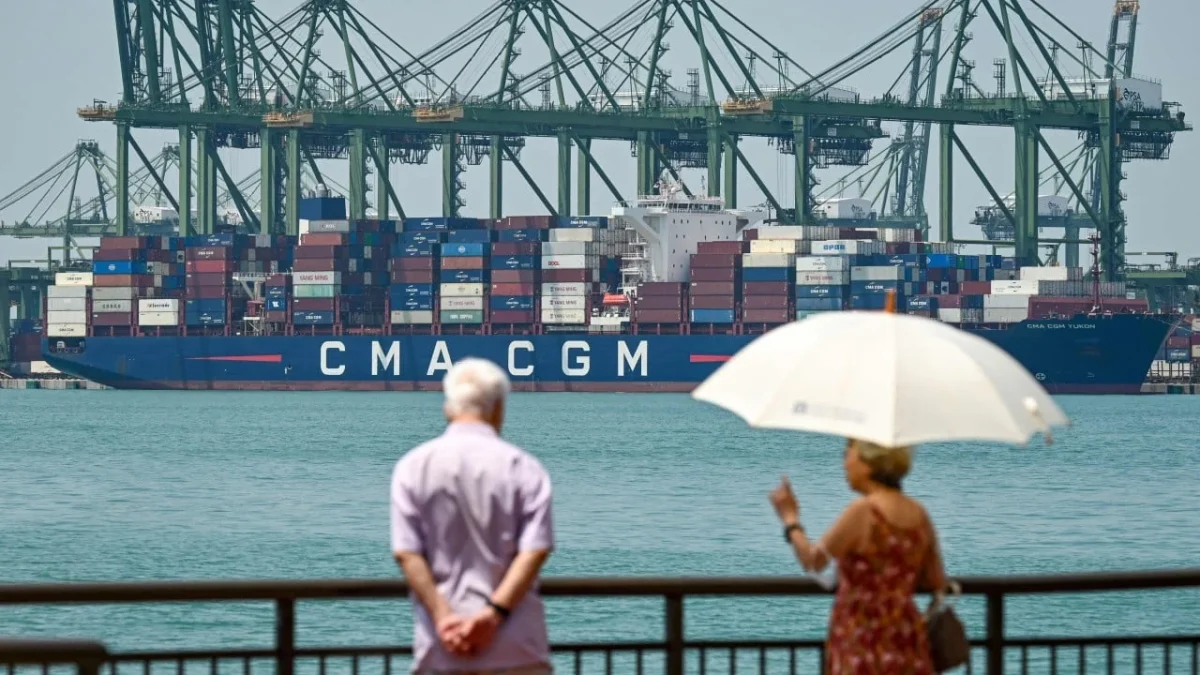
Singapore rejects US findings
The Office of the United States Trade Representative floated potential levies on Singapore alongside thirteen other trading partners on Wednesday. The Energy, Trade and Industry Ministry stated it disagreed with the maximum potential tariff rate of 20 per cent. Officials noted this figure would adjust to 10 per cent if a reciprocal trade agreement were reached. This represents uncharacteristically strong remarks from the city-state government regarding Washington's latest economic salvo.
Trade investigation details
An eight-month probe into unfair trade practices and excessive industrial capacity in the region led to the new tariffs. The administration aims to rebuild President Donald Trump's tariff leverage after the Supreme Court shot down his broad global duties in February. Singapore argued its consistent trade surplus reflects a market-oriented economy rather than protected domestic manufacturing or export subsidies. For over twenty years, Washington has maintained a steady trade surplus with Singapore thanks to their current free trade pact.
Singapore officials stated they will continue to engage the USTR constructively to urge reconsideration of proposed actions. The ministry emphasized that the US findings do not account for Singapore's specific economic structure or global trading hub status. They urged Washington to explore ways to reduce the tariff while maintaining their outward-focused economic policies. No immediate resolution was announced as both sides prepare for further diplomatic engagement on the matter.
2 outlets, different leads
-
South China Morning Post
Singapore challenges US tariff logic as free trade pact faces 20% levy
-
Business Recorder
Singapore 'very disappointed' over new tariffs, urges US to reconsider
Reported by
2 independent outlets. Headlines as published. Links open the original report.