Bar-tailed godwit Phil completes 6800-mile migration to Siberia
Conservationists tracked a bar-tailed godwit named Phil on a 6800-mile round trip between The Wash in Norfolk and the Taymyr Peninsula in Siberia.
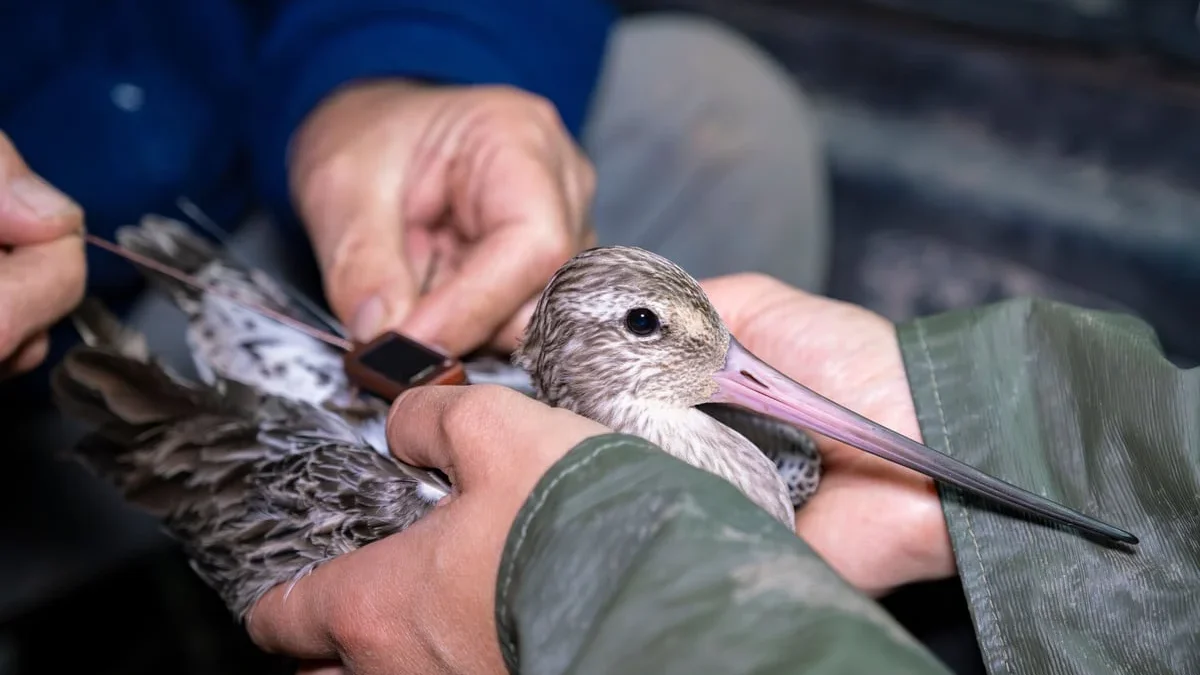
Tracking technology reveals migration route
Scientists fitted Phil with a tiny 6g solar-powered tracker in January. This device sent location data to nearby phone masts as the bird flew. The Wash Wader Research Group placed the tag on the bird named after their former leader Phil Ireland. Jeff Kew from the RSPB stated that this new lightweight technology did not affect the bird in any way.
Journey follows East Atlantic flyway
Phil travelled from The Wash to the Wadden Sea coast of the Netherlands, Germany and Denmark in March. He then proceeded to the Taymyr Peninsula in central Siberia by late May. On his return journey he crossed the Arctic Ocean taking a direct route rather than staying on land. After visiting three islands off Norway, he went back to the Wadden Sea and eventually reached The Wash.
Wetlands form vital global network
Dr Nigel Clark noted that The Wash is the UKs single most important coastal wetland for migratory waders. He explained that protecting these birds requires a global effort because many species cross borders. Scores of species find essential food and rest on the extensive mudflats annually. This network of sites is more important than any single service station alone.
All 2 outlets report consistently
No differences in figures, names or dates across these reports.
- Evening Standard
- The Guardian
Reported by
2 independent outlets. Headlines as published. Links open the original report.