Finnish researchers find enzyme mechanism helping staph resist vancomycin
Researchers from the universities of Jyväskylä and Helsinki in Finland discovered a new cell wall mechanism that helps Staphylococcus aureus resist vancomycin on November 12, 2026.
New enzyme function identified
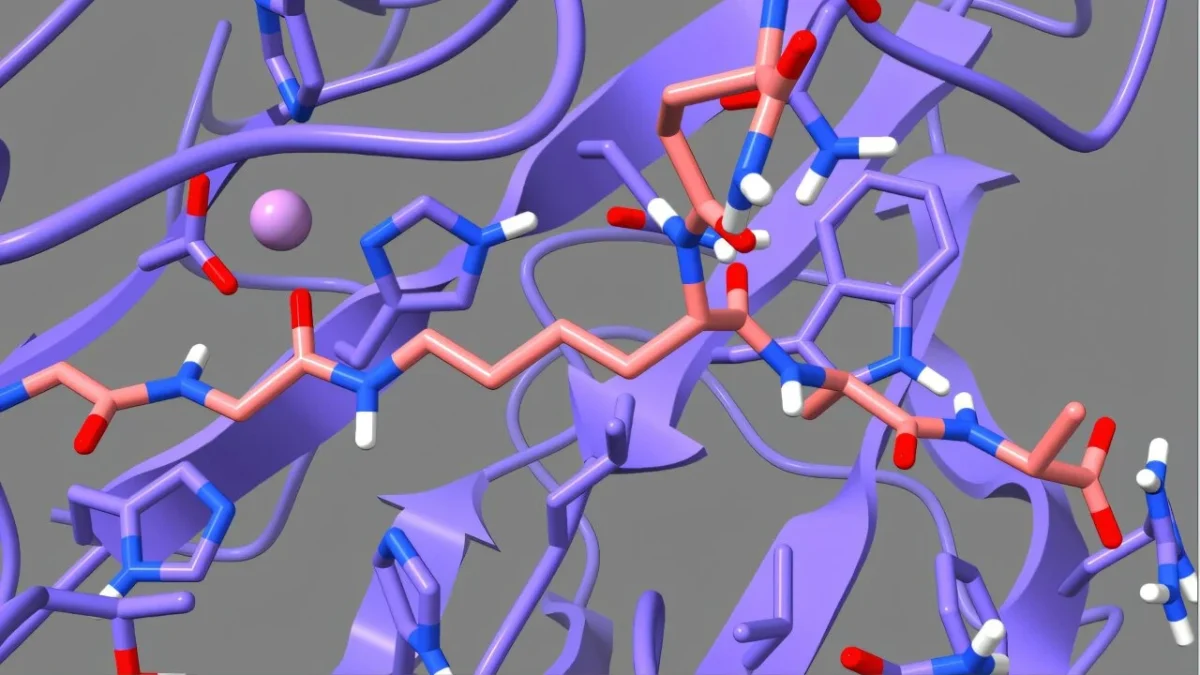
Professor Perttu Permi from the University of Jyväskylä led a team that examined an enzyme called LytU. The researchers found that LytU breaks a specific bridge bond in the cell wall structure instead of cutting usual bonds. This action plays a key role in cell wall cross-linking and shields bacteria from external stresses. The study was published in the journal Nature Communications with Lina Antenucci as a co-author.
Regulation affects resistance levels
The team discovered that increased LytU expression can enhance vancomycin resistance significantly in their experiments. Bacteria producing more of this enzyme were about 30 times more resistant than the control bacteria. However, excessive enzyme activity disrupts normal cell-wall construction and prevents the bacteria from maintaining proper shape. This discovery connects bacterial cell-wall remodeling directly to antibiotic resistance mechanisms.
Future clinical studies needed
Further studies are required to establish the contribution of LytU in clinical isolates and adapted resistant strains. Findings indicate that slight changes in the cell wall architecture can alter antibiotic function. This new perspective offers researchers potential strategies to fight antibiotic resistance in the future against serious infections.
Reported by one outlet
Only one outlet has published this. Nothing here has been checked against a second report, so read it as that outlet's account and follow the link below for the original.
Reported by
1 independent outlet. Headline as published. Links open the original report.