Yale and Columbia researchers trace Earth’s core carbon to outer solar system
A team from Yale and Columbia University published a study in the Proceedings of the National Academy of Sciences suggesting Earth's core carbon arrived during the final stage of planetary development.
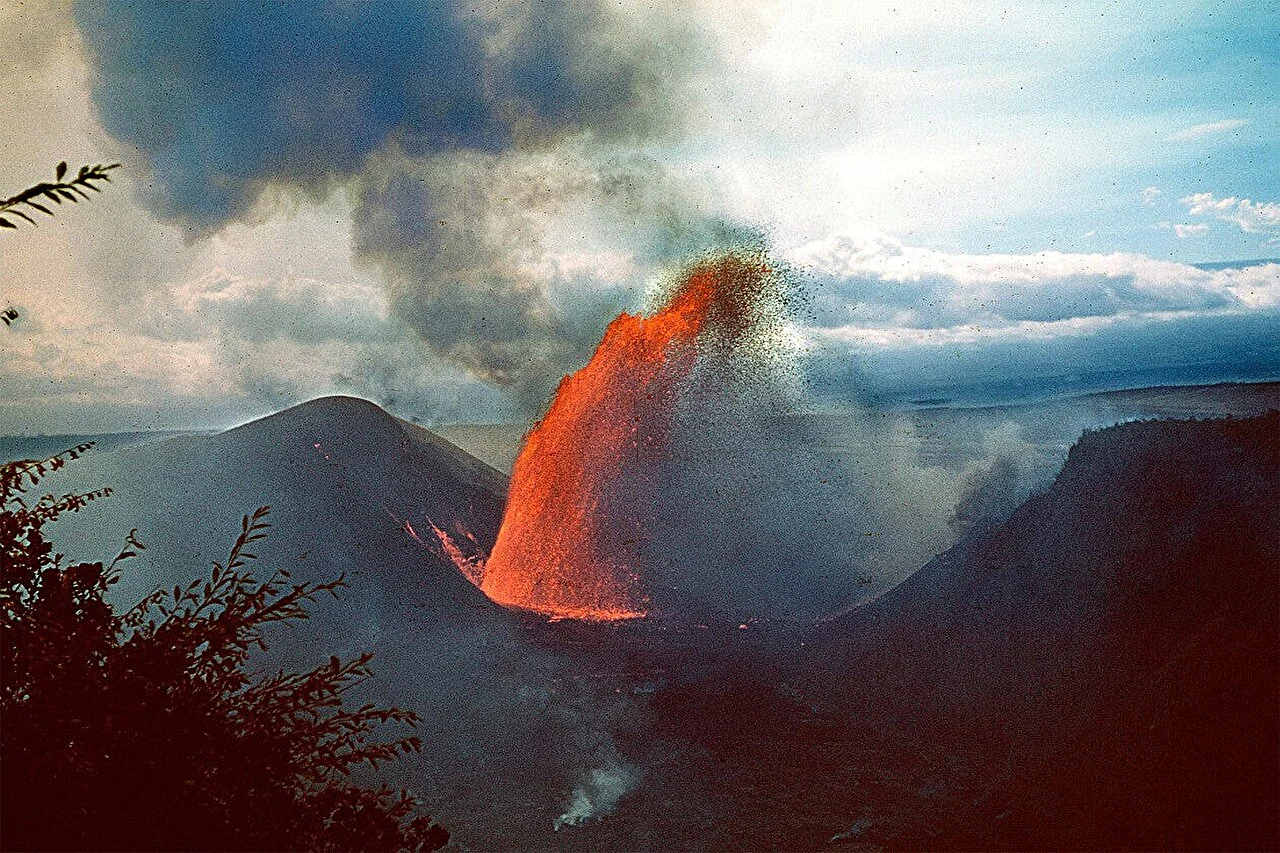
Analysis of Hawaiian lava droplets
Researchers examined magma droplets known as melt inclusions from historic eruptions in Hawaii. These samples include material from Keanakākoʻi eruptions between 1500 and 1840 plus the 1959 Kīlauea Iki event. Each droplet acts as a snapshot of magma conditions deep within the Earth when crystals formed inside them. Yves Moussallam and his group at Columbia's Lamont-Doherty Earth Observatory created this particular observation technique.
Isotopic signatures reveal carbon origins
The study found a uniquely heavy carbon-13 signature in magma believed to originate from the boundary between the core and mantle. Damanveer Grewal, an assistant professor at Yale, stated this represents carbon leaking from the core. The isotopic makeup corresponded to carbonaceous chondrites, defined as carbon-rich meteorites originating in the outer solar system that contain organic compounds. Earlier theories held that observing core carbon isotopes was impossible before this breakthrough.
Timing of carbon arrival explained
Grewal noted there was only one window for these meteorites to become a permanent part of the core during Earth's main assembly. If carbon arrived earlier, collisions would have sent much of it back into space. Later arrival meant the core would already be closed off from external material. This research resolves a longstanding debate about how carbon reached the planet's interior.
Reported by one outlet
Only one outlet has published this. Nothing here has been checked against a second report, so read it as that outlet's account and follow the link below for the original.
Reported by
1 independent outlet. Headline as published. Links open the original report.