Urban growth collapses stream food webs in São Paulo
Researchers found that urban expansion in the São Paulo Metropolitan Area has caused a collapse of stream food webs and reduced water quality.
Selective loss of organisms
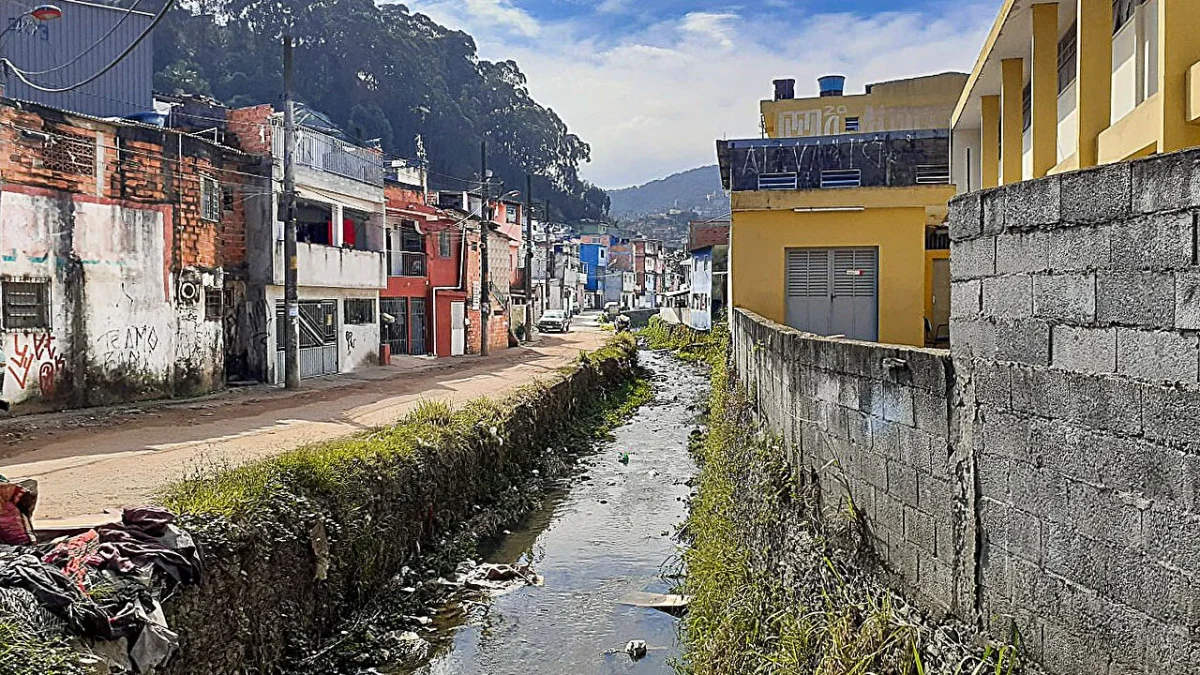
A study published in August in Nature Cities reveals that city growth eliminates organisms based on their size. Networks of 190 connections plummet to just three in fully urbanized areas. A reduction of over a thousandfold in the energy flowing through these ecosystems impacts water quality. This directly impacts the region's more than 22 million residents who rely on the supply.
Study methods and scope
Victor Saito from UFSCar and Luis Schiesari from USP led the research at CBioClima. They analyzed headwater streams in the Upper Tietê region across thirty selected micro-watersheds. Sampling included fish and invertebrates to reconstruct food webs at each site. The analysis covered areas ranging from Atlantic Forest to fully urbanized landscapes.
Early stage degradation
Schiesari states that collapse is evident even with only 12.5 percent urban coverage in a microbasin. Complex food webs slow matter flow, promoting processing that breaks down toxic pollutants. Simple webs cause faster deposition of unprocessed matter into low-lying terrain areas. Reservoirs used for public supply are located in those specific low points.
Reported by one outlet
Only one outlet has published this. Nothing here has been checked against a second report, so read it as that outlet's account and follow the link below for the original.
Reported by
1 independent outlet. Headline as published. Links open the original report.