Study links climate crisis to deadly Nepal-Tibet glacier collapse
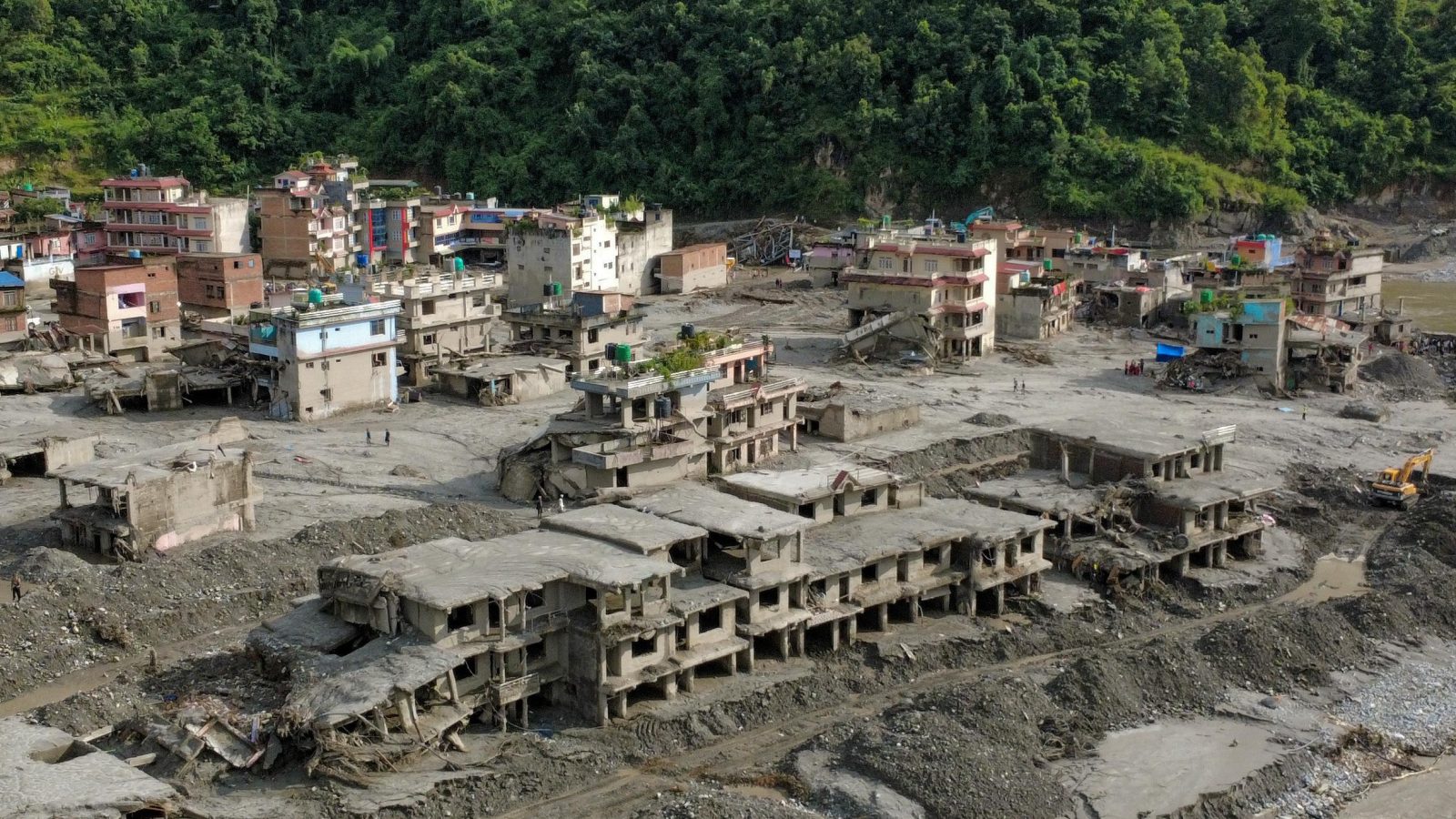
A new scientific study finds that a climate crisis likely weakened the glacier that collapsed in Nepal and Tibet on 26 August, killing more than 1,300 people.
Unusually warm conditions preceded collapse
Researchers identified unusually warm weather before the glacier failed. This heat destabilised the ice roof of the mountain range. The resulting avalanche sent 110 million cubic metres of snow and ice into the valley below.
Flash floods hit downstream communities
The debris triggered flash floods on an almost unprecedented scale. These floods struck communities without warning and moved at speeds exceeding 110 metres per second. More than 5,000 people remain missing after the disaster.
Scientists warn of future disasters
Dr Friederike Otto from Imperial College London stated that local adaptation cannot shield vulnerable populations from such destruction. She noted that faster action to transition away from fossil fuel emissions is required. Without this change, more disasters of this scale will occur in coming years.
Reported by one outlet
Only one outlet has published this. Nothing here has been checked against a second report, so read it as that outlet's account and follow the link below for the original.
Reported by
1 independent outlet. Headline as published. Links open the original report.