Beer and spirits raise kidney injury risk while wine may protect
According to a report in Scientific Reports, drinking beer or spirits raises the chance of acute kidney injury while enjoying wine moderately provides protection.
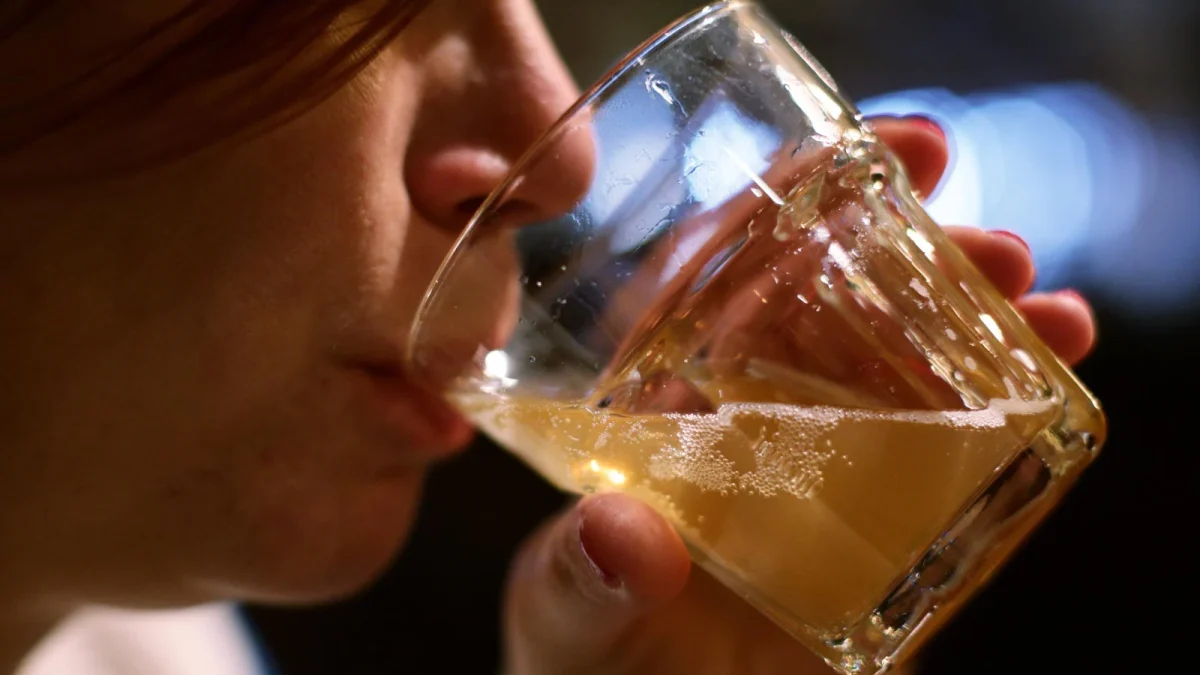
Alcohol type changes health outcomes
People drinking nine units of spirits weekly face a 26 percent higher chance of acute kidney injury compared to those consuming one unit. Beer drinkers consuming 24 units weekly are 15 percent more likely to develop the condition than those taking three units. Conversely, drinking fewer than 14 units of red or white wine does not raise risk and appears to reduce it. The research team analyzed health data for 250,791 adults from the UK Biobank study over a fourteen year period.
Inflammatory markers drive damage
Dr Rudolph Schutte and colleagues found that spirits and beer drive inflammatory markers like C-reactive protein and raised neutrophil counts. These markers appear to contribute directly to kidney damage through specific pathways rather than just liver impact. Yet, those who drink wine face an identical danger should they ingest over 14 units within a single week. The academics acknowledge the relationship between alcohol consumption and acute kidney injury remains controversial in the scientific community.
Experts warn on interpretation
Dr Peter Rice from the Institute of Alcohol Studies urged caution when interpreting studies that claim red wine is healthier than other drinks. He noted that wine consumers often have fewer dietary risk factors and are more affluent than other groups. Regardless of which alcoholic beverage is consumed, the impact of the alcohol molecule on body tissues remains unchanged. Variations in health results are frequently caused by additional risks like deprivation instead of the beverage.
Reported by one outlet
Only one outlet has published this. Nothing here has been checked against a second report, so read it as that outlet's account and follow the link below for the original.
Reported by
1 independent outlet. Headline as published. Links open the original report.