SKA Observatory tests new spiral antenna layout for Western Australia telescope
Researchers at the SKA Observatory in Western Australia built a prototype station to test a new antenna arrangement designed to reduce signal interference.
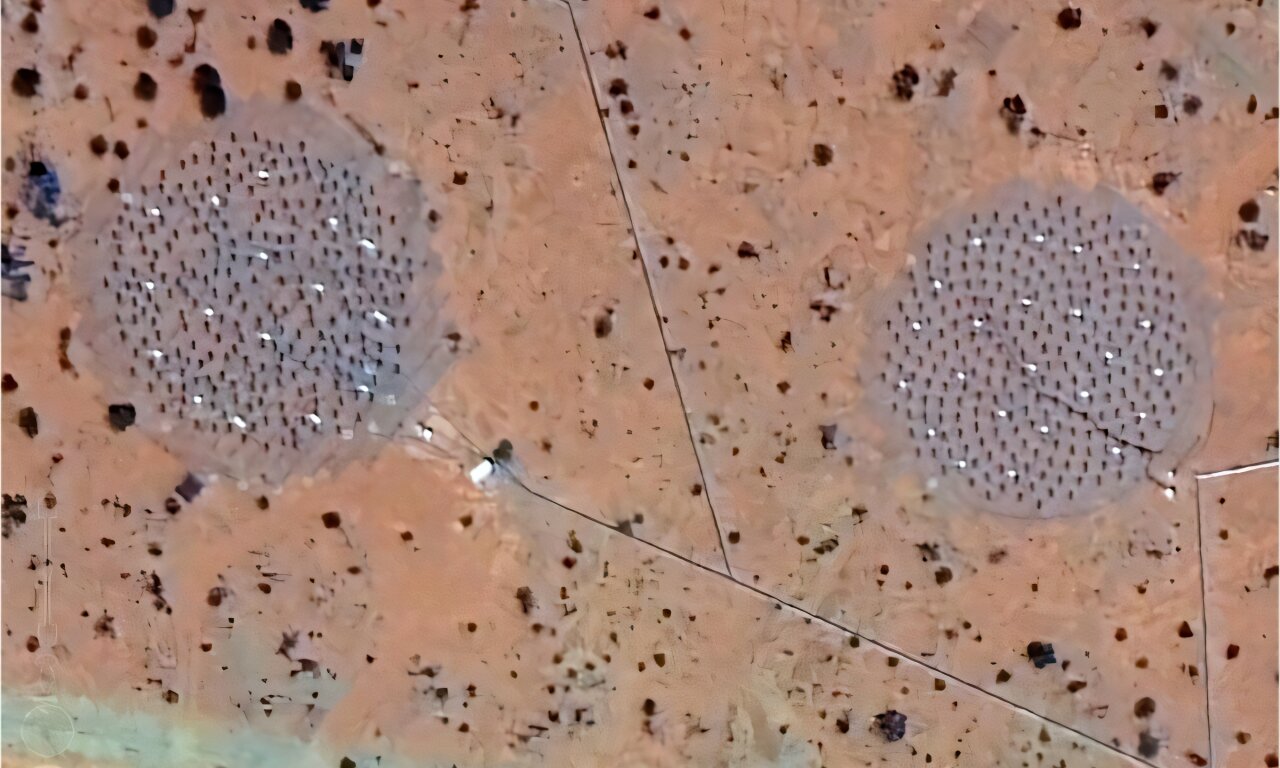
Previous design faced interference issues
An earlier prototype station, AAVS2, used a scattered pattern to avoid unwanted artifacts. However, antennas placed too close together caused mutual coupling that grew stronger below 150 MHz. This frequency range falls squarely within the operating limits of the future SKA-Low telescope.
New layout inspired by nature
To solve this problem, scientists proposed a new arrangement based on the spiral pattern found in sunflower heads. The team named this configuration the Vogel layout because it spaces antennas to reduce neighbor interference. A new prototype station called AAVS3 was constructed using this specific design for real-sky testing.
Results published in journal
The SKA Observatory built AAVS3 to verify how the layout performs under actual conditions. Researchers led by Dr Shin'ichiro Asayama describe the construction and test results in a recent publication. The study appears in the Journal of Astronomical Telescopes, Instruments, and Systems.
Reported by one outlet
Only one outlet has published this. Nothing here has been checked against a second report, so read it as that outlet's account and follow the link below for the original.
Reported by
1 independent outlet. Headline as published. Links open the original report.