Researchers study cellophane bee nest linings for biodegradable plastic designs
Scientists published a study in the Proceedings of the National Academy of Sciences on November 3, 2026, suggesting that materials from cellophane bee nests could inspire new plastics.
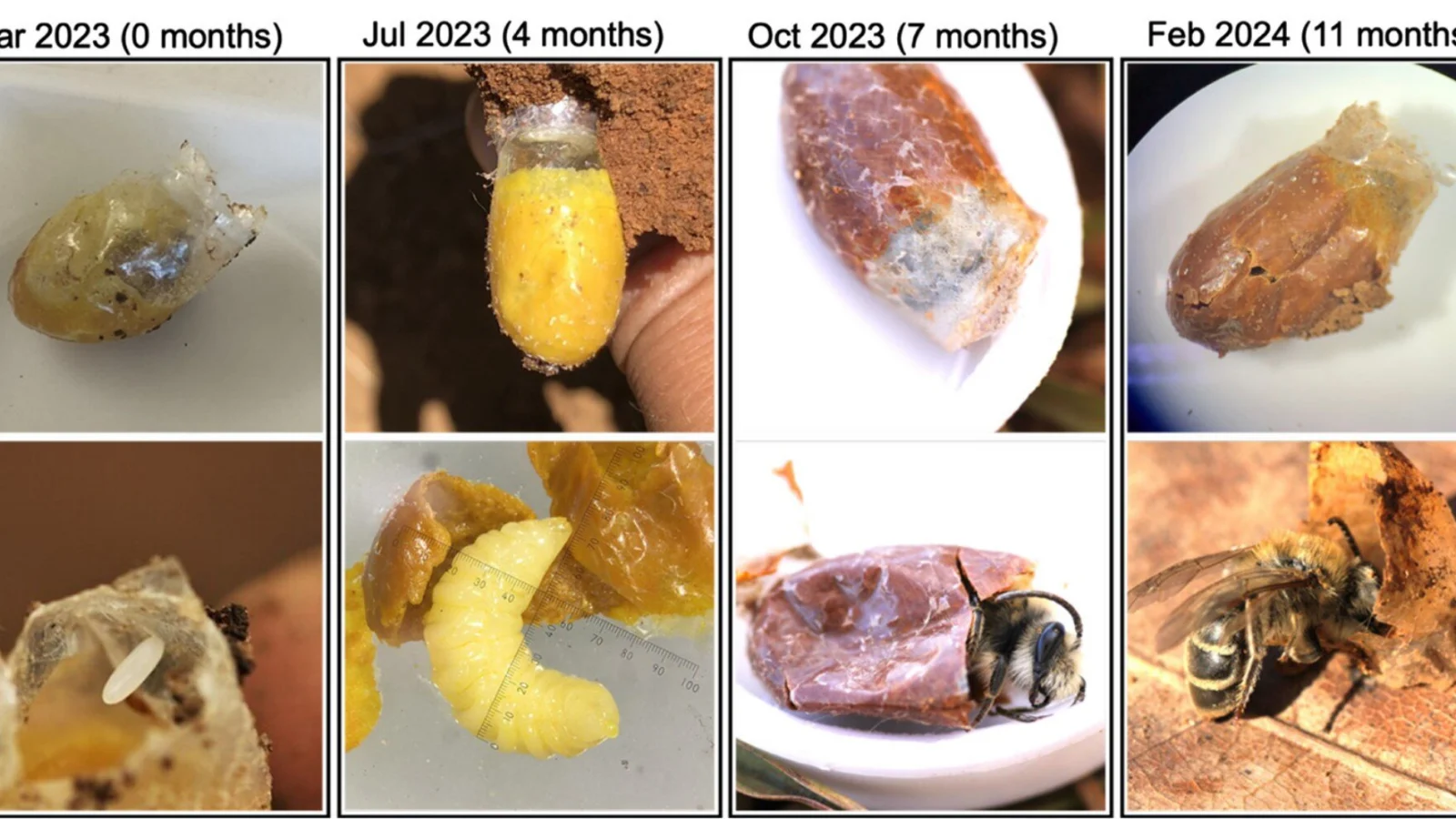
Bee nest material properties
Researchers found that Colletes inaequalis bees line their underground nests with a flexible, translucent substance made of polyester and silk. This material is produced by a specialized gland connected to the bee's stinger known as the Dufour's gland. The linings do not accumulate at nesting sites over time, which suggests they degrade quickly despite being made of polyester.
Potential for new plastics
Hundreds of millions of metric tons of conventional plastics are produced annually and often end up in landfills or polluting environments. These standard plastics endure for dozens to hundreds of years before breaking down. The natural material from the bees offers design lessons for creating plastics that degrade naturally in far less time.
Reported by one outlet
Only one outlet has published this. Nothing here has been checked against a second report, so read it as that outlet's account and follow the link below for the original.
Reported by
1 independent outlet. Headline as published. Links open the original report.