Researchers find how cells prevent messenger RNA molecules from clumping together
Scientists at Whitehead Institute report that evolution shapes mRNA sequences to stop unwanted aggregation in crowded cellular spaces.
Natural stickiness creates a puzzle
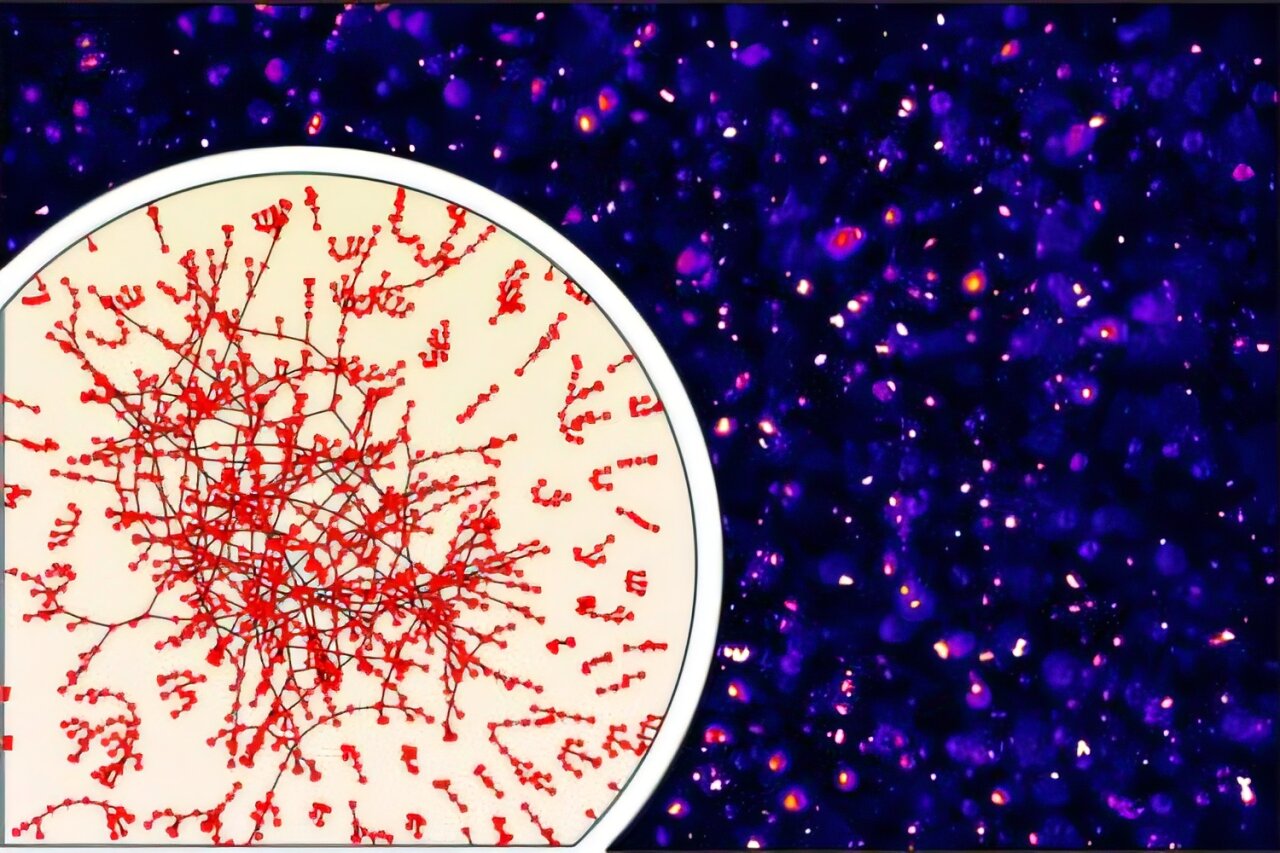
Messenger RNA molecules carry genetic instructions from DNA to the machinery that builds proteins. When removed from cells, these molecules readily interact and form large aggregates in laboratory settings. This physical tendency suggests they should clump together inside living cells, yet this does not happen routinely.
Evolution shapes sequences to avoid clumps
Researchers led by Ankur Jain uncovered a mechanism where evolution has modified mRNA sequences specifically. These changes reduce unwanted interactions between different messenger RNA molecules within the tiny cellular environment. Such modifications prevent large aggregates from forming and keep the genetic instructions accessible for protein production.
Findings aid drug design efforts
The study indicates that understanding these natural constraints can inform the development of RNA therapeutics. Drug designers may learn from evolutionary strategies when selecting sequences for medical applications. This approach helps avoid creating toxic aggregates that could harm cells during treatment.
Reported by one outlet
Only one outlet has published this. Nothing here has been checked against a second report, so read it as that outlet's account and follow the link below for the original.
Reported by
1 independent outlet. Headline as published. Links open the original report.