Plasma engine design uses thin air as fuel for satellites
Francesco Romano proposes a new plasma engine design that uses atmospheric air molecules as fuel to keep satellites aloft in very low Earth orbit.
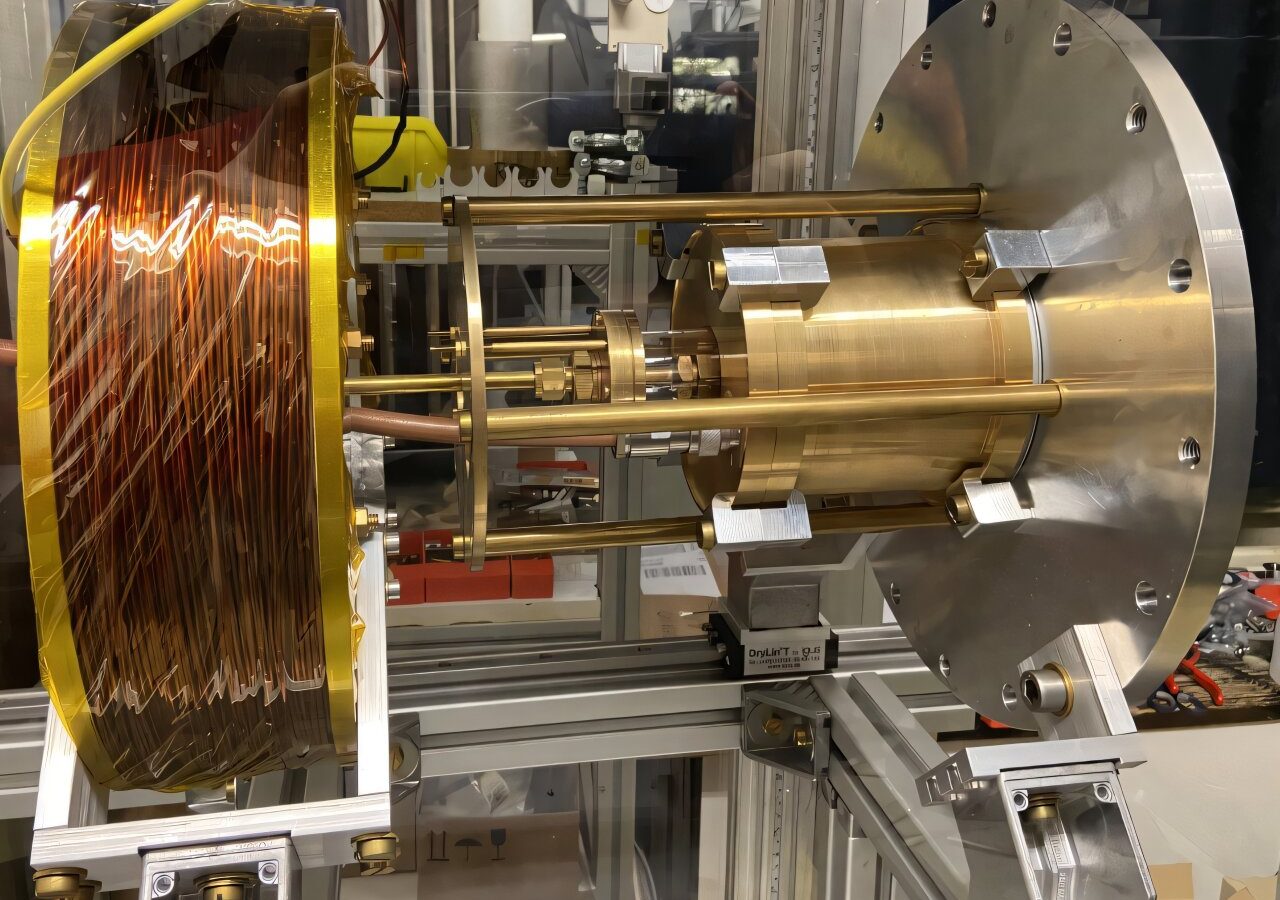
Atmosphere-breathing propulsion concept
The system scoops up thin air located in front of a spacecraft. It channels these molecules into an electric engine that turns them into plasma. The resulting thrust allows the satellite to stay aloft indefinitely without carrying expensive fuel.
Benefits of low orbit
Very low Earth orbit offers distinct advantages for remote-sensing cameras and communications systems. Atmospheric drag automatically cleans up dead satellites in this region. However, air friction requires an engine to run nearly constantly to maintain position.
Technical challenges ahead
Atomic oxygen in the upper atmosphere presents a difficult technical problem for the design. This aggressive form of gas corrodes metal electrodes used in the engine. Researchers must work around these issues before the system can be fully operational.
Reported by one outlet
Only one outlet has published this. Nothing here has been checked against a second report, so read it as that outlet's account and follow the link below for the original.
Reported by
1 independent outlet. Headline as published. Links open the original report.