Paleontologists find first Diplodocus fossil outside North America in Spain
Researchers from the Fundación Conjunto Paleontológico de Teruel-Dinópolis announced today that they have identified the first confirmed Diplodocus skeleton found outside North America at a site in Teruel, Spain.
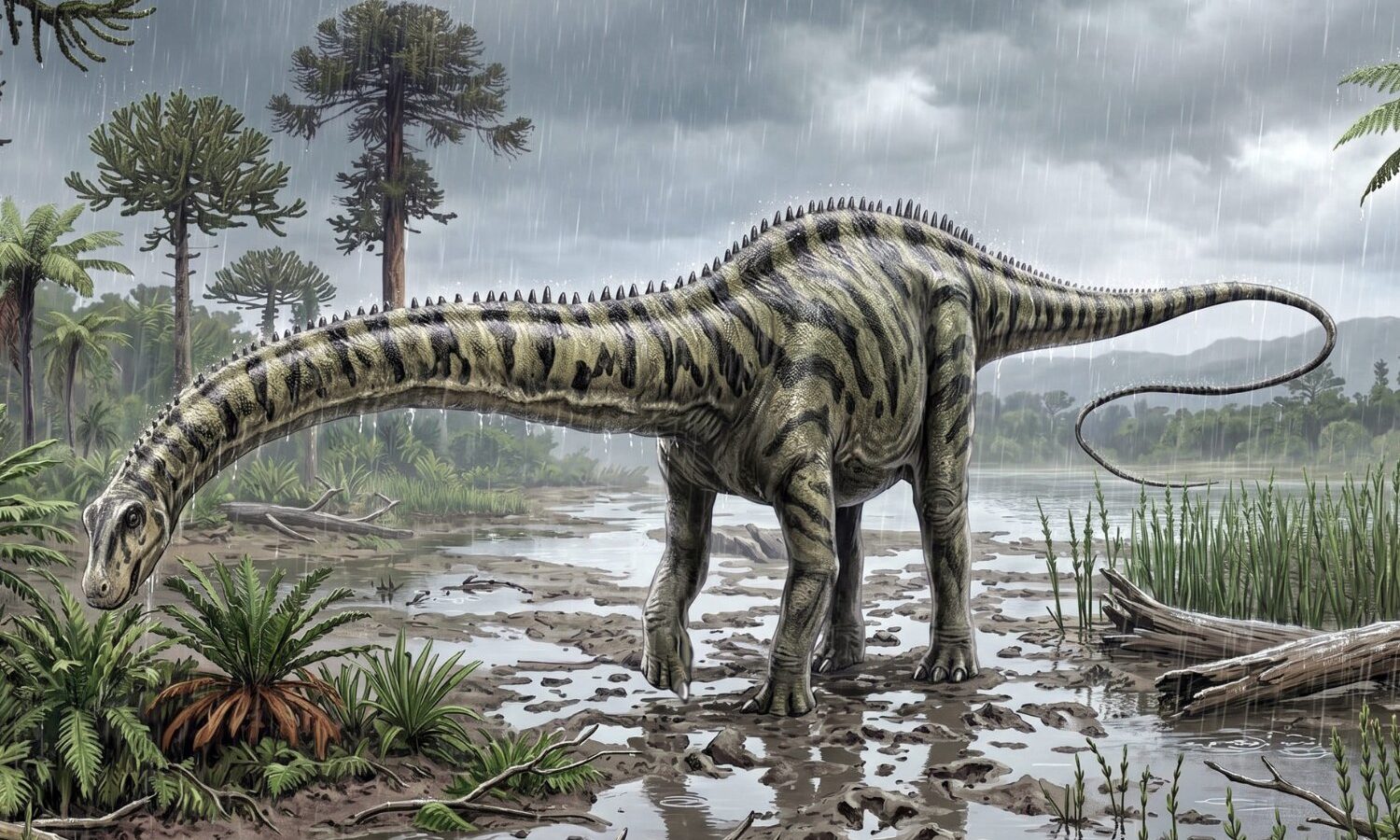
Excavation reveals complete tail vertebrae
A team of scientists uncovered fourteen exceptionally preserved tail vertebrae along with several chevron bones from the La Tejería location. This specimen is considered one of the most complete diplodocid skeletons ever discovered within Europe. The find challenges previous assumptions about where these large sauropods lived during the Late Jurassic period.
Discovery changes migration understanding
Until this announcement, all verified Diplodocus specimens were known only from the Morrison Formation in western United States states. The new evidence suggests that these dinosaurs had a wider geographic range than paleontologists previously believed possible. This shift in perspective alters the current picture of dinosaur distribution across continents during that era.
Study published in journal
The details of this historic find were detailed in a recent issue of the Journal of Vertebrate Paleontology. Lead author Sergio Sánchez Fenollosa described the process as an exciting puzzle where pieces gradually fell into place. The research team noted strong anatomical similarities between this European skeleton and other known diplodocine sauropods.
Reported by one outlet
Only one outlet has published this. Nothing here has been checked against a second report, so read it as that outlet's account and follow the link below for the original.
Reported by
1 independent outlet. Headline as published. Links open the original report.