Oyster reef restoration in Chesapeake Bay supports larger fish communities
Scientists at UMBC, the Smithsonian Environmental Research Center and NOAA report that long-term oyster reef restoration in Harris Creek on Maryland's Eastern Shore has successfully created habitats for diverse fish.
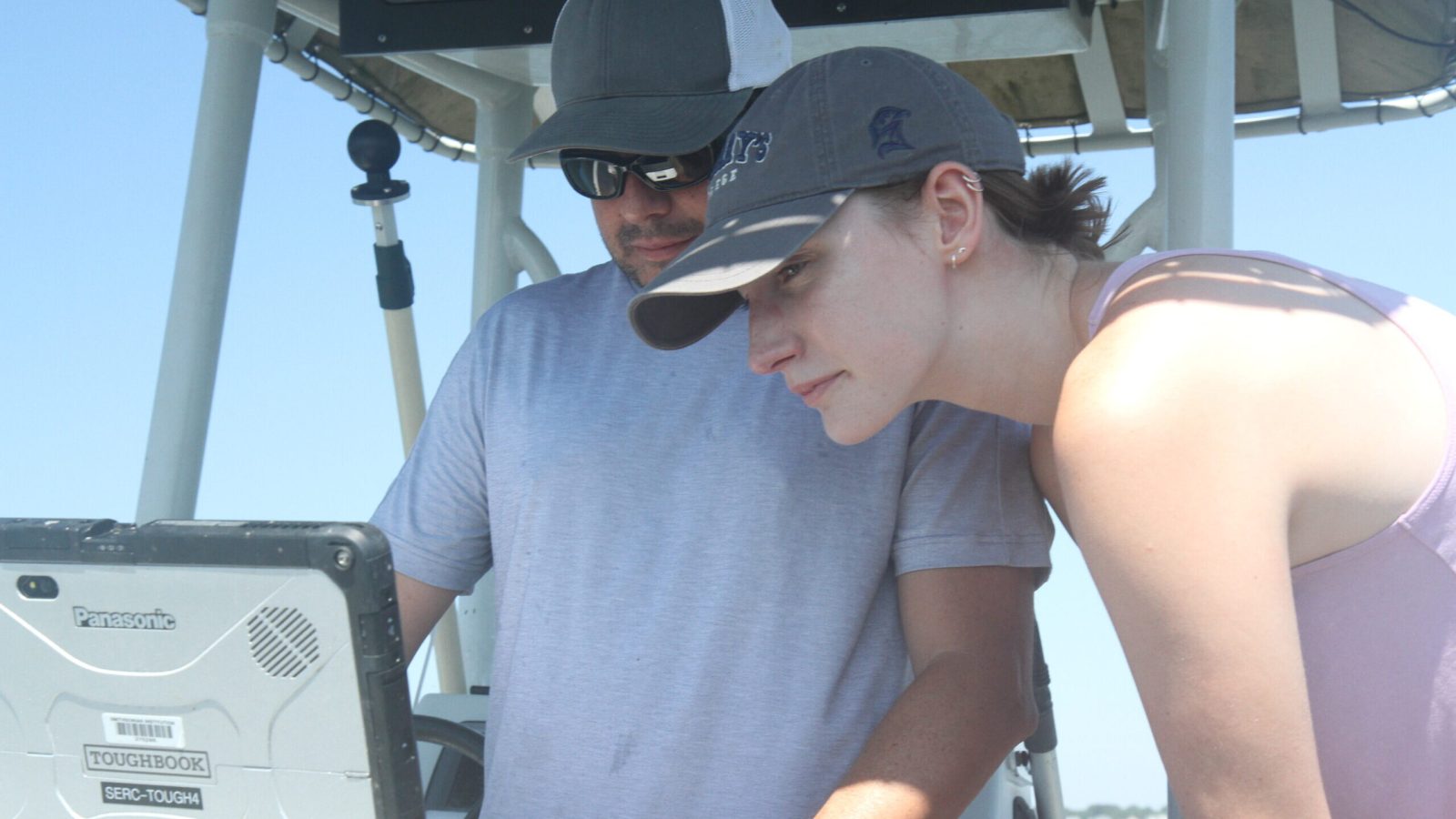
Study evaluates habitat after years
The research team assessed the reef six to ten years after the restoration project finished. They combined underwater video footage with high-resolution imaging sonar to examine the environment. The project covers approximately 1.4 square kilometers of water in Harris Creek.
Fish communities have changed
The study found that the area now supports larger, resident species instead of small schooling fish. This shift indicates a move away from transient populations toward stable ecosystems. The new habitats are more diverse than before the restoration began.
Restoration benefits multiple groups
Lead author Allison Tracy noted that these efforts matter to many stakeholders in the Chesapeake Bay. The findings provide evidence that large-scale projects can alter underwater ecosystems effectively. Researchers published their results in the journal Ecosphere.
Reported by one outlet
Only one outlet has published this. Nothing here has been checked against a second report, so read it as that outlet's account and follow the link below for the original.
Reported by
1 independent outlet. Headline as published. Links open the original report.