Ocean Biology Critical for Carbon Storage Limits
Scientists presented a new policy brief at the UN Climate Change Conference in Türkiye warning that marine life is essential to prevent atmospheric carbon dioxide from rising by up to 65% by 2100.
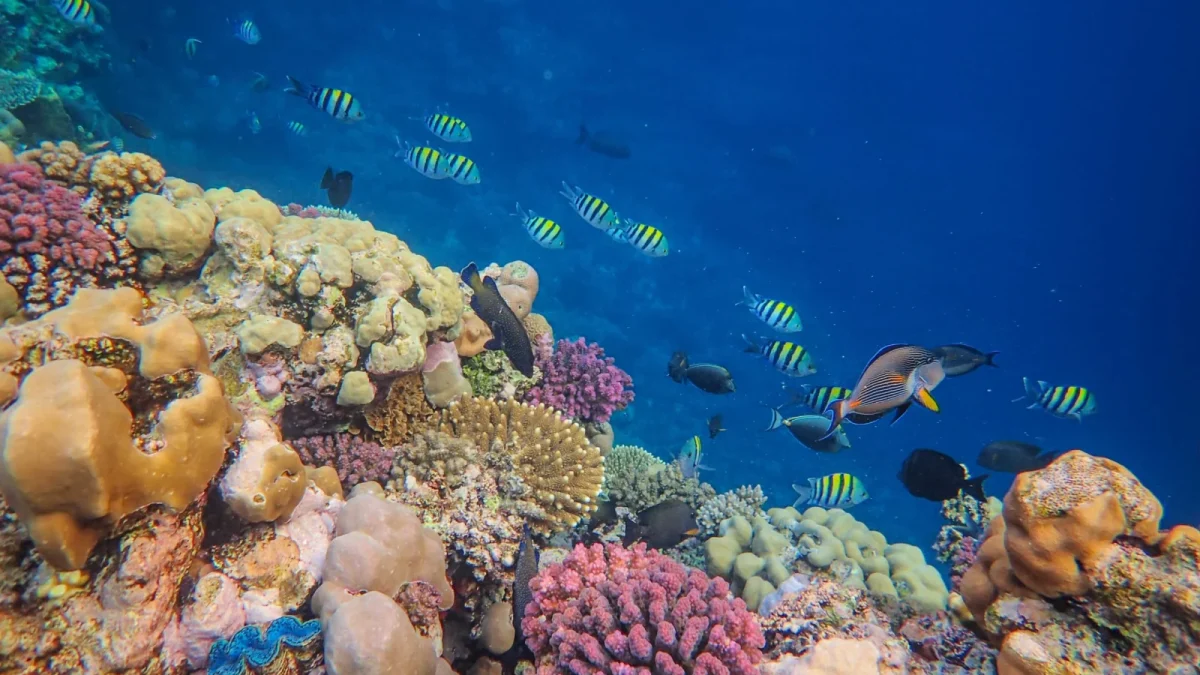
Models Miss Marine Carbon Processes
The Intergovernmental Panel on Climate Change relies on current Earth system models that oversimplify biological processes by leaving out essential groups such as fish and marine mammals. These models fail to account for animal vertical migrations that transport atmospheric carbon into the ocean interior through the biological carbon pump. Without these organisms moving carbon deep, atmospheric levels could reach 35% to 65% higher than projected projections by the year 2100. The new document clarifies that while physics and chemistry capture initial surface uptake, biology ensures long-term retention of this vital gas.
Caution Advised on Carbon Removal
Experts warn against technological proposals for marine carbon dioxide removal such as ocean alkalinity enhancement or ocean fertilization without clear verification. Every action needs to show a clear rise in long-term storage exceeding 100 years and staying separate from the air. The report states that restoring coral reefs and shellfish beds does not boost carbon capture because building skeletons makes seawater more acidic. Sustaining extended monitoring systems constitutes a vital strategic commitment essential for assessing these indicators and supplying proof for worldwide carbon accounting.
Biodiversity Protection Does Not Equal Uptake
Patrizia Ziveri from the Universitat Autònoma de Barcelona contributed to this international work following a workshop held earlier this year. The short document indicates that protecting biodiversity does not necessarily lead to increased absorption of carbon dioxide released by humans because of underlying physical and chemical rules. Although fishing seems to only slightly diminish the ocean sink while prey numbers rise and restore balance, scientists keep studying this particular interaction. Policymakers need clear terminology to distinguish valid sequestration from interventions that do not guarantee durable atmospheric isolation.
Reported by one outlet
Only one outlet has published this. Nothing here has been checked against a second report, so read it as that outlet's account and follow the link below for the original.
Reported by
1 independent outlet. Headline as published. Links open the original report.