Lawrence Livermore Lab develops 3D-printed bioreactor to convert waste methane into succinate
Researchers at Lawrence Livermore National Laboratory have created a new solid-state bioreactor that converts waste methane from landfills and wastewater plants into the chemical succinate.
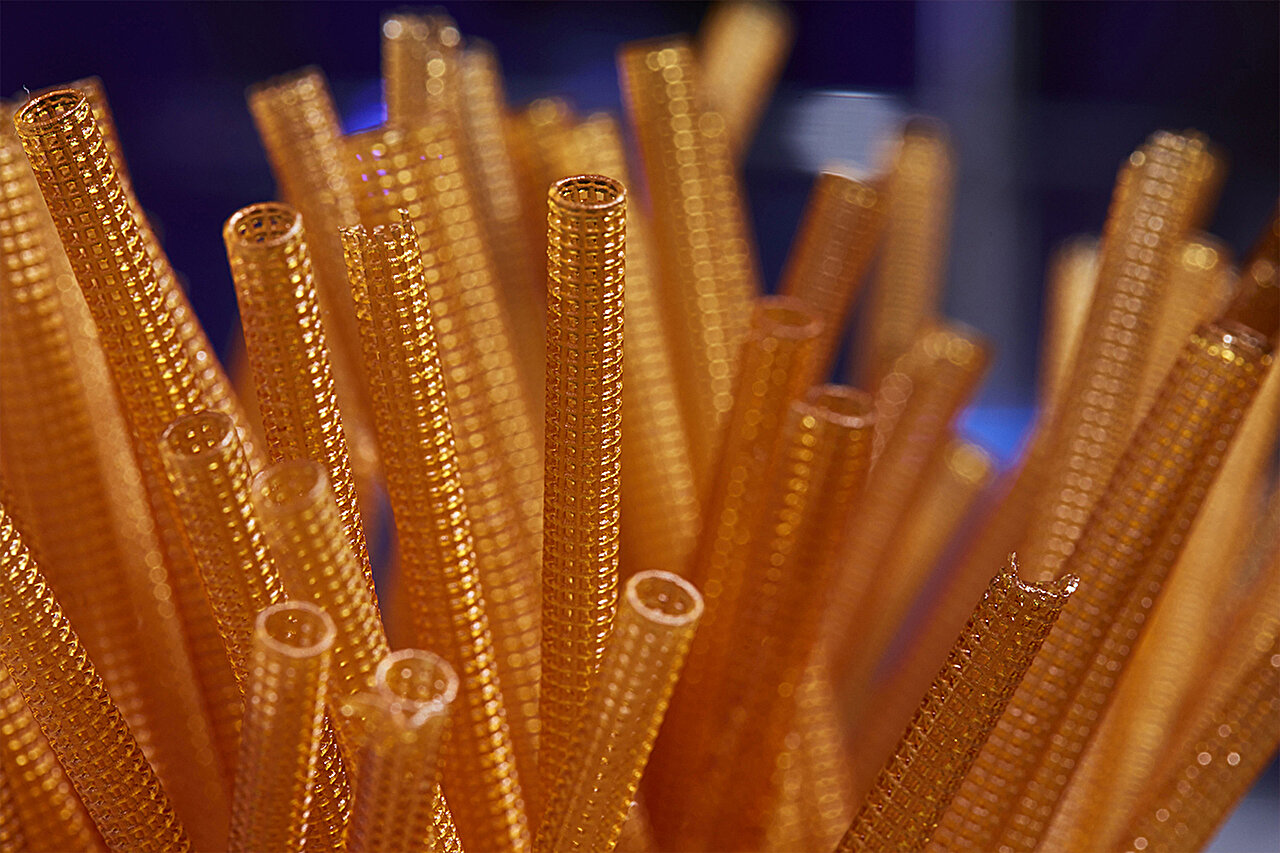
New technology outperforms liquid systems
The small device uses bacteria called methanotrophs to process gas directly without needing a liquid medium. This approach solves mass transfer problems that usually slow down traditional fermentation methods. The resulting system produces more than ten times the output of standard liquid-state reactors.
Lower power consumption for energy recovery
The solid-state design requires less electricity to operate compared to conventional setups used in industry today. Scientists published their findings in Scientific Reports after testing the efficiency of this gas fermentation method. Capturing this resource allows facilities to recover energy and create useful products from wasted gas streams.
Reported by one outlet
Only one outlet has published this. Nothing here has been checked against a second report, so read it as that outlet's account and follow the link below for the original.
Reported by
1 independent outlet. Headline as published. Links open the original report.