KIER team uses palladium membrane for ammonia synthesis with water
A South Korean research team at the Korea Institute of Energy Research published findings in Advanced Science about a new ammonia synthesis process using a palladium membrane.
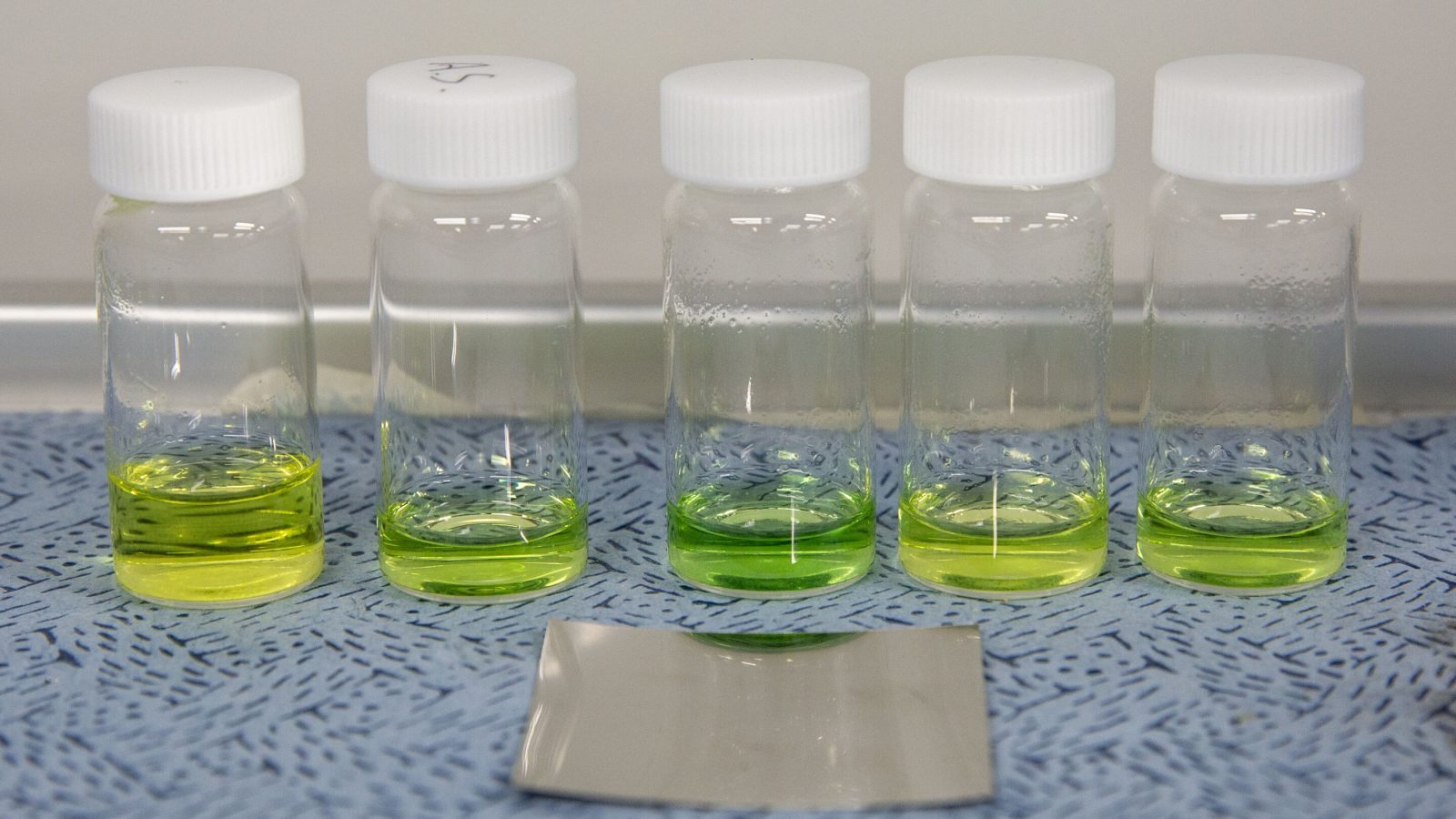
Selective hydrogen transport through membranes
Researchers replaced standard polymeric membranes with a dense palladium membrane to stop unwanted molecules from crossing. This new barrier allows only hydrogen atoms to pass while keeping water and other substances separated. The setup prevents reagents and products from mixing inside the electrochemical cell.
Reduced carbon emissions in production
The process creates an environmentally friendly method for making ammonia that lowers carbon output. By selectively moving hydrogen from water, the system avoids the performance issues common with conventional filters. This approach solves the trade-off between stopping crossover and maintaining fast ion movement.
Reported by one outlet
Only one outlet has published this. Nothing here has been checked against a second report, so read it as that outlet's account and follow the link below for the original.
Reported by
1 independent outlet. Headline as published. Links open the original report.