Indonesia wildfires devastate orangutan habitats in Kalimantan
Roughly 300,000 blazes across Indonesia between July and October have destroyed over 60 percent of Bornean orangutan habitats in the province of Kalimantan.
Researchers fight flames while studying primates
Rutgers University primatologist Erin Vogel in New Brunswick dedicated most of October to battling blazes rather than performing her standard studies. She visited the Tuanan Orangutan Research Station in Central Kalimantan during one of the most severe fire seasons in three decades. The region experienced roughly 300,000 blazes between July and October, creating toxic air levels 400 times higher than World Health Organization safety limits. Vogel described the sky as a reddish orange haze that felt like being on Mars while she worked there.
Super El Nino drives extreme fire season
The massive flames sweeping across the archipelago were fueled by winds and parched vegetation resulting from a super El Nino event. Indonesia has experienced over 2.8 million hectares of fire to date, while Kalimantan province faces the most severe consequences. Fires devoured 60 percent of Bornean orangutans habitats in Kalimantan, including healthy forests at the Tuanan research station and Gunung Palung National Park. The intensity of the smoke made it difficult to breathe without a respirator for anyone working outside.
Orangutans show displacement and health issues
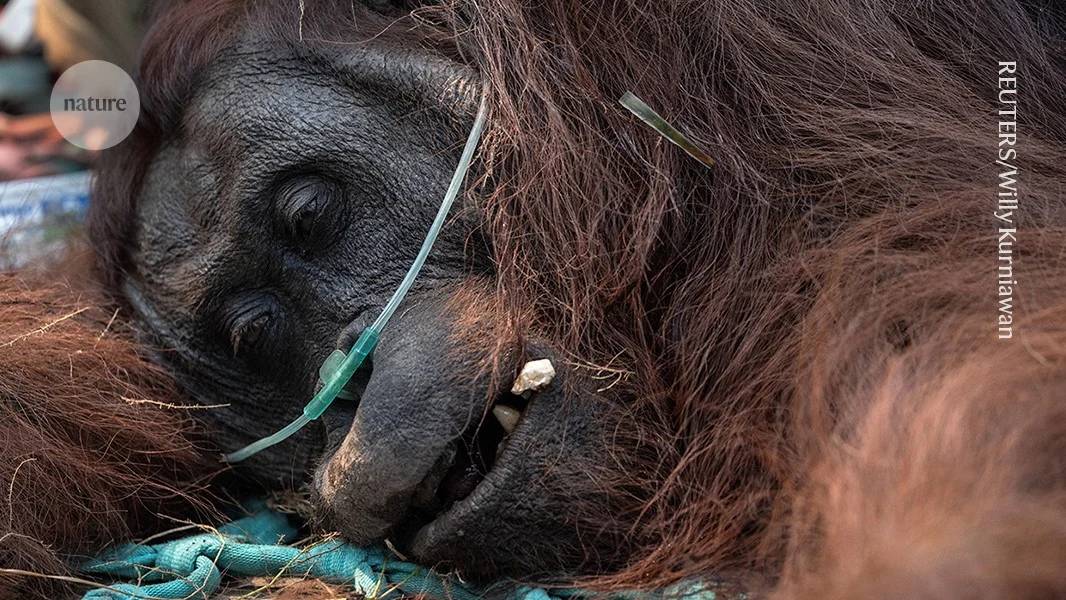
Researchers observed some orangutans appearing lethargic and sick due to the intense heat and smoke from the surrounding blazes. The team encountered a male they had studied for more than 15 years who was breathing heavily on the ground before recovering later. Displaced individuals are now moving between areas, which will likely cause competition over limited resources and alter their natural behavior patterns. Fires continued to smoulder in Tuanan peat swamp forests at the time of the interview with Vogel.
Reported by one outlet
Only one outlet has published this. Nothing here has been checked against a second report, so read it as that outlet's account and follow the link below for the original.
Reported by
1 independent outlet. Headline as published. Links open the original report.