Humpback whale calf numbers drop sharply off Australian coast
Scientists report a severe decline in humpback whale calves during the 2026 winter migration along eastern Australia and other Southern Hemisphere breeding grounds.
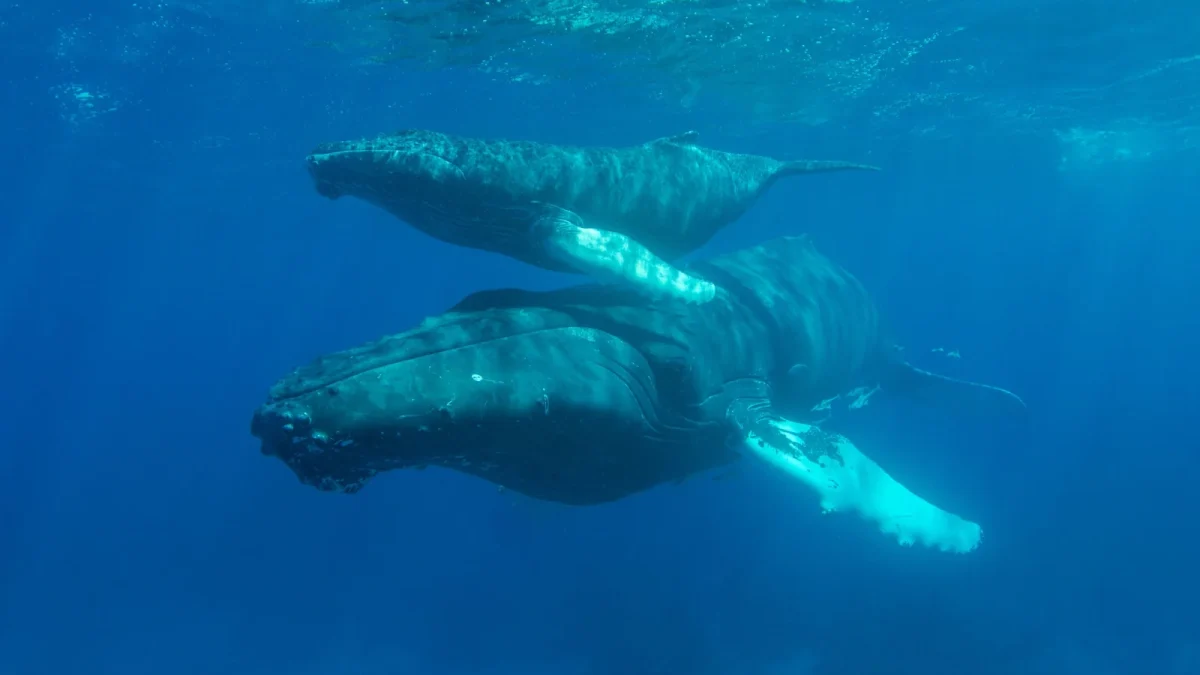
Calf sightings fall across regions
According to figures from the Cetacean Research Center, births have plummeted significantly as whales migrate north along Western Australia's Ningaloo coast. Daily calf sightings dropped from an average of 10 over 12 years to under two in the recent 2026 winter season. Queensland's Moreton Bay saw calf numbers down 90% from 2025 levels. Information from Ecuador likewise indicated that few calves were born alongside abnormally hot sea temperatures. Brazil announced fewer calves and a rise in the number of young whale strandings. On Reunion Island, only one calf was sighted during the migration period.
Climate shifts affect krill food
Such findings arrived nearly ten years following the abrupt transition of Antarctic ocean ice into a diminished state. The humpback whale depends largely on krill, which itself requires sea ice to survive. During severe winter months, young krill seek shelter beneath the ocean ice while consuming algae and linked microorganisms found below it. With rising ocean temperatures and increased melting of sea ice, worries have emerged regarding these creatures and the numerous species that depend on them. While satellites enable scientists to monitor sea-ice extent, obtaining data on how sea-ice loss impacts the ecosystem remains significantly more difficult.
Program monitors whale health
The Humpback Whale Sentinel Program employs these marine mammals as sentinels to monitor wider shifts within the Antarctic sea-ice ecosystem. Annually, scientists conduct surveys and collect tissue samples from five separate groups of healthy, free-swimming humpback whales. Researchers examine tissue samples at the Antarctic Sentinel Laboratory of Griffith University to assess population health by evaluating fat reserves and dietary habits. The program's results revealed concealed transformations occurring in Antarctica, including a sustained decline in sea ice coverage.
Reported by one outlet
Only one outlet has published this. Nothing here has been checked against a second report, so read it as that outlet's account and follow the link below for the original.
Reported by
1 independent outlet. Headline as published. Links open the original report.