Global study finds over 1700 bee species live only on islands
An international research team published a global checklist in Nature showing more than 1700 bee species exist exclusively on islands.
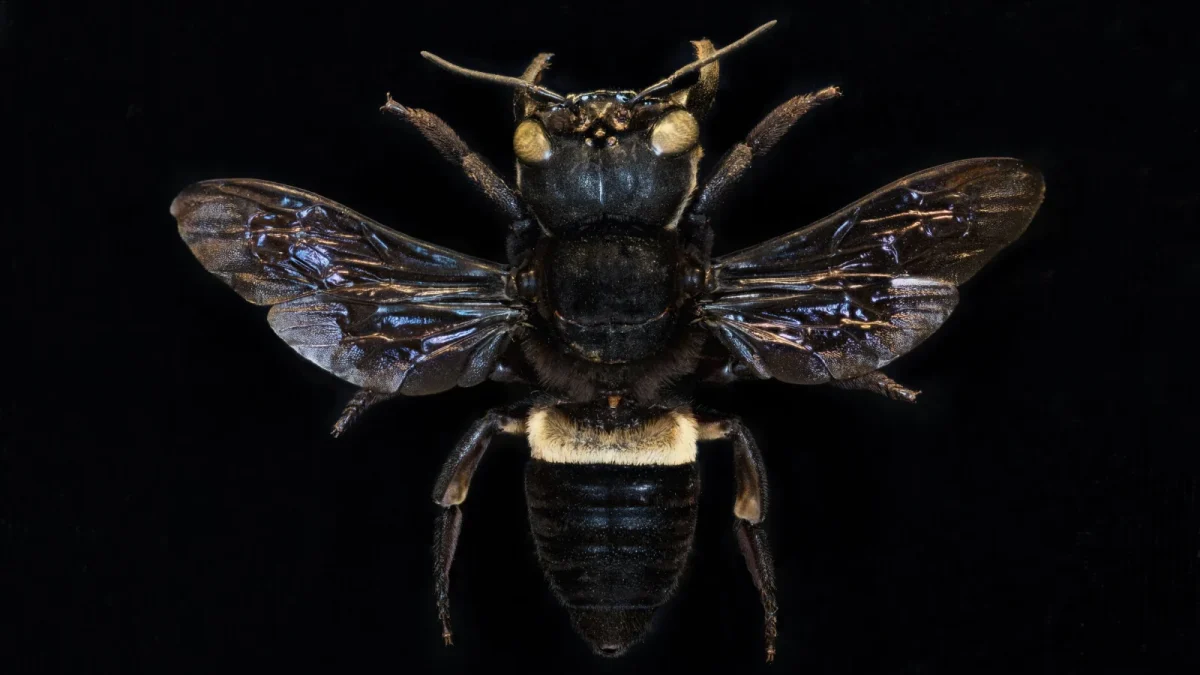
Mediterranean and tropical hotspots lead diversity
The best places to visit for high bee diversity are islands in the Mediterranean region. Sicily and Cyprus hold the highest number of unique bee species found in the world. Hawaii and Madagascar, large tropical islands, are home to distinct bee species found solely on each specific location. These locations represent critical areas where researchers identified distinct populations isolated from mainland counterparts.
Researchers compiled extensive data for analysis
The team compiled more than 600000 bee records covering 305 different islands around the globe. They tallied a total of 4128 native species, of which 1742 live only on islands. Islands cover about 6 percent of Earth's land area yet they hold roughly one in five known bee species. First author Leon Marshall now works at the Naturalis Biodiversity Center in the Netherlands.
Community science aids remote island surveys
Platforms like iNaturalist and ObsIdentify helped researchers identify individuals from images without needing physical specimens. John Ascher from the National University of Singapore explained that specialist collectors rarely visit some remote islands. This approach allowed documentation of colonization by leafcutter bees and persistence of conservation interest species. The study also encourages exploring archipelago-like landscapes on land where fragmented habitats act as islands.
Reported by one outlet
Only one outlet has published this. Nothing here has been checked against a second report, so read it as that outlet's account and follow the link below for the original.
Reported by
1 independent outlet. Headline as published. Links open the original report.