Genomic study restores species status to twelve Great Barrier Reef corals
An international team led by Dr Augustine Crosbie used genomic analysis to confirm that twelve overlooked corals on Australia's east coast are distinct species.
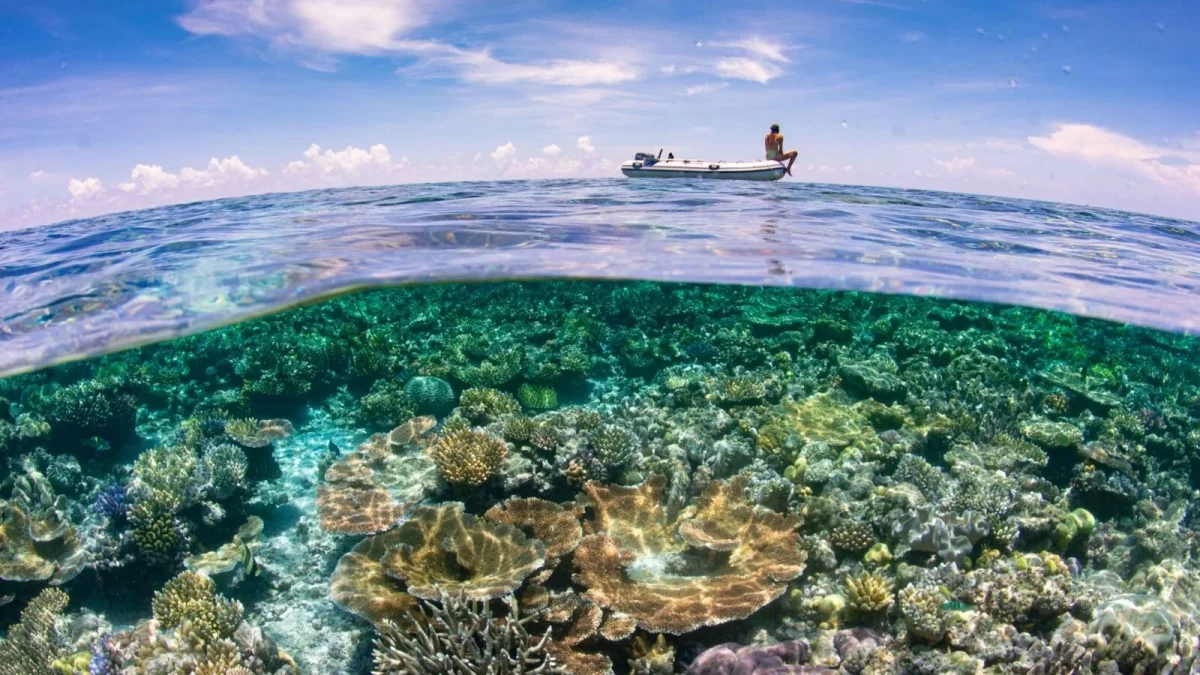
Analysis reveals hidden coral diversity
Researchers reassessed fifty three named Acropora species using cutting edge genomic sequencing and historical museum specimens. The study published in the journal Invertebrate Systematics found that forty seven species were supported as distinct entities. Twelve corals previously treated as synonyms of other species are now resurrected as valid independent species. Four previously unresolved species were also recognized as valid during this comprehensive review process.
Museum collections drive scientific discovery
The initiative aimed at defining Acropora variety was headed by Dr Augustine Crosbie representing James Cook University alongside the Queensland Museum. Many corals known for over a century were misinterpreted as variants rather than separate species. Modern genomic data linked directly with preserved coral skeletons from global museum collections provided the necessary clarity. Queensland Museum CEO Renai Grace noted that these extensive collections represent decades of extraordinary and painstaking study.
Conservation resources need accurate counts
Peter Cowman stated that recognizing distinct species is critical for understanding and protecting coral biodiversity effectively. What seems to be one common coral could instead comprise multiple species, each confined to a significantly narrower geographic area. Andrew Baird said the Great Barrier Reef remains one of the best studied ecosystems on Earth yet scientists still underestimate species numbers. Knowing which specific species are present is fundamental to assessing extinction risk and directing conservation resources.
Reported by one outlet
Only one outlet has published this. Nothing here has been checked against a second report, so read it as that outlet's account and follow the link below for the original.
Reported by
1 independent outlet. Headline as published. Links open the original report.