Enzyme eNOS makes sulfur rings for cellular antioxidants
Researchers from Tohoku University and the Max Planck Institute report that an enzyme known for regulating blood pressure also creates sulfur rings used to store antioxidants.
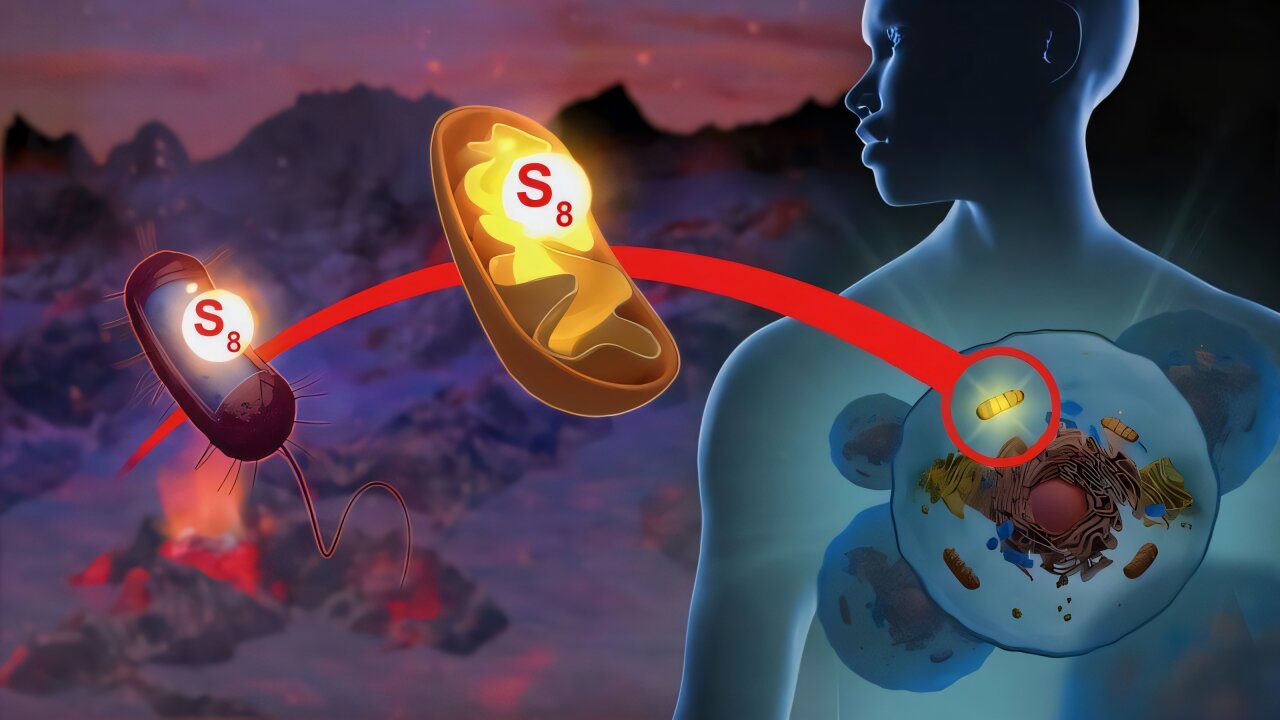
New function found in blood pressure enzyme
An international team led by Takaaki Akaike at Tohoku University and Uladzimir Barayeu at the Max Planck Institute published findings in Science. They demonstrated that the enzyme eNOS performs a second role beyond producing nitric oxide to relax blood vessels. This same enzyme generates cyclooctasulfur molecules inside mammalian cells.
Cells store sulfur as eight-atom rings
The study shows that human and animal cells build and keep elemental sulfur in a controlled way. These sulfur atoms form a specific molecule called cyclooctasulfur which contains exactly eight atoms. This storage form helps the body create antioxidants like vitamins C and E to protect genetic material.
Antioxidants prevent damage from free radicals
Vitamins C and E neutralize reactive oxygen species before they harm cell membranes or DNA. Such cellular damage can lead to neurodegenerative diseases if left unchecked. The new mechanism explains how the body synthesizes these protective compounds without relying solely on diet.
Reported by one outlet
Only one outlet has published this. Nothing here has been checked against a second report, so read it as that outlet's account and follow the link below for the original.
Reported by
1 independent outlet. Headline as published. Links open the original report.