Engineered molecular glue stabilizes chromosomes in ageing mouse eggs
On 26 November, scientists from the Max Planck Institute for Multidisciplinary Sciences in Göttingen, Germany, created a TALhesin system designed to stabilize chromosomes within mouse eggs.
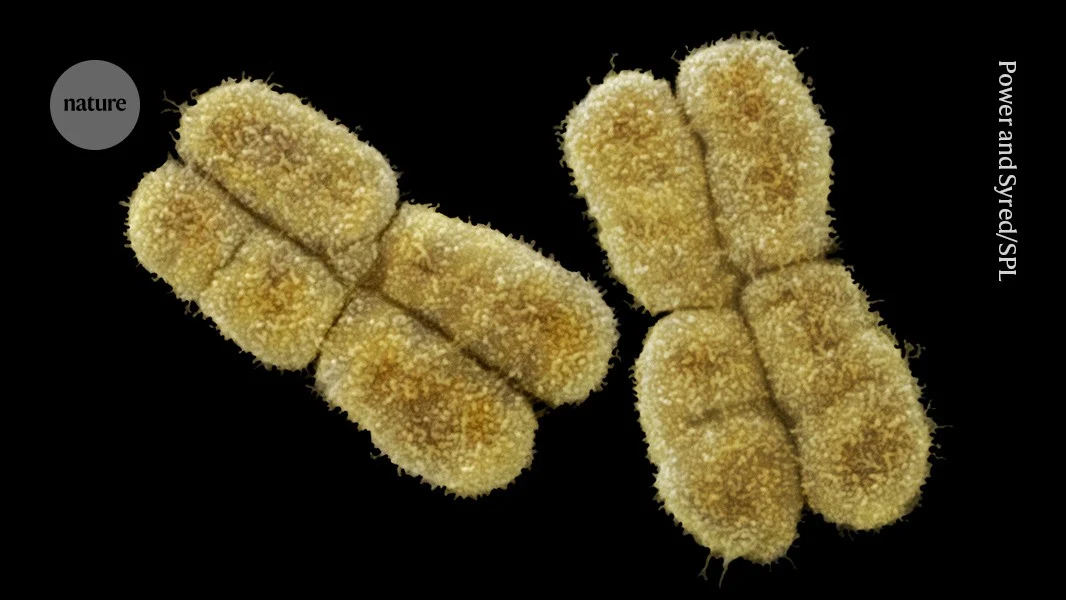
Artificial cohesion prevents chromosome errors
Scientists developed an artificial system called TALhesin to replace declining natural cohesins in animal eggs. This engineered approach uses proteins that attach to specific chromosome regions and bind to one another. The team injected messenger RNA encoding these proteins into immature mouse eggs to trigger protein production. Fluorescence microscopy confirmed the artificial proteins attached where natural cohesin was normally lost during cell division.
Treatment improves outcomes in older mice
Experiments showed the system reduced premature chromosome separation in mice aged thirteen, seventeen and twenty months. In seventeen-month-old mice treated with TALhesin, error-free eggs rose from 46.7 percent to 74.1 percent compared to untreated controls. This result matches the success rate observed in eggs from young mice without age-related decline. A molecular scissor component switched off the artificial cohesion at the appropriate time for division.
Human egg experiments show accumulation
The team adapted the system to deliver proteins that attach to regions of human chromosomes where cohesin is present. Experiments using donated human eggs demonstrated that TALhesin proteins accumulated in these targeted regions effectively. Researchers noted that chromosomes with high protein levels showed smaller distances between chromatids during the process. These findings were published in Science on 26 November by the German research group.
Reported by one outlet
Only one outlet has published this. Nothing here has been checked against a second report, so read it as that outlet's account and follow the link below for the original.
Reported by
1 independent outlet. Headline as published. Links open the original report.