Wired Xbox controllers offer battery-free convenience but show similar input lag to wireless options
An analysis of Microsoft Xbox controller connectivity compares the maintenance benefits of wired connections against the latency concerns of wireless technology.
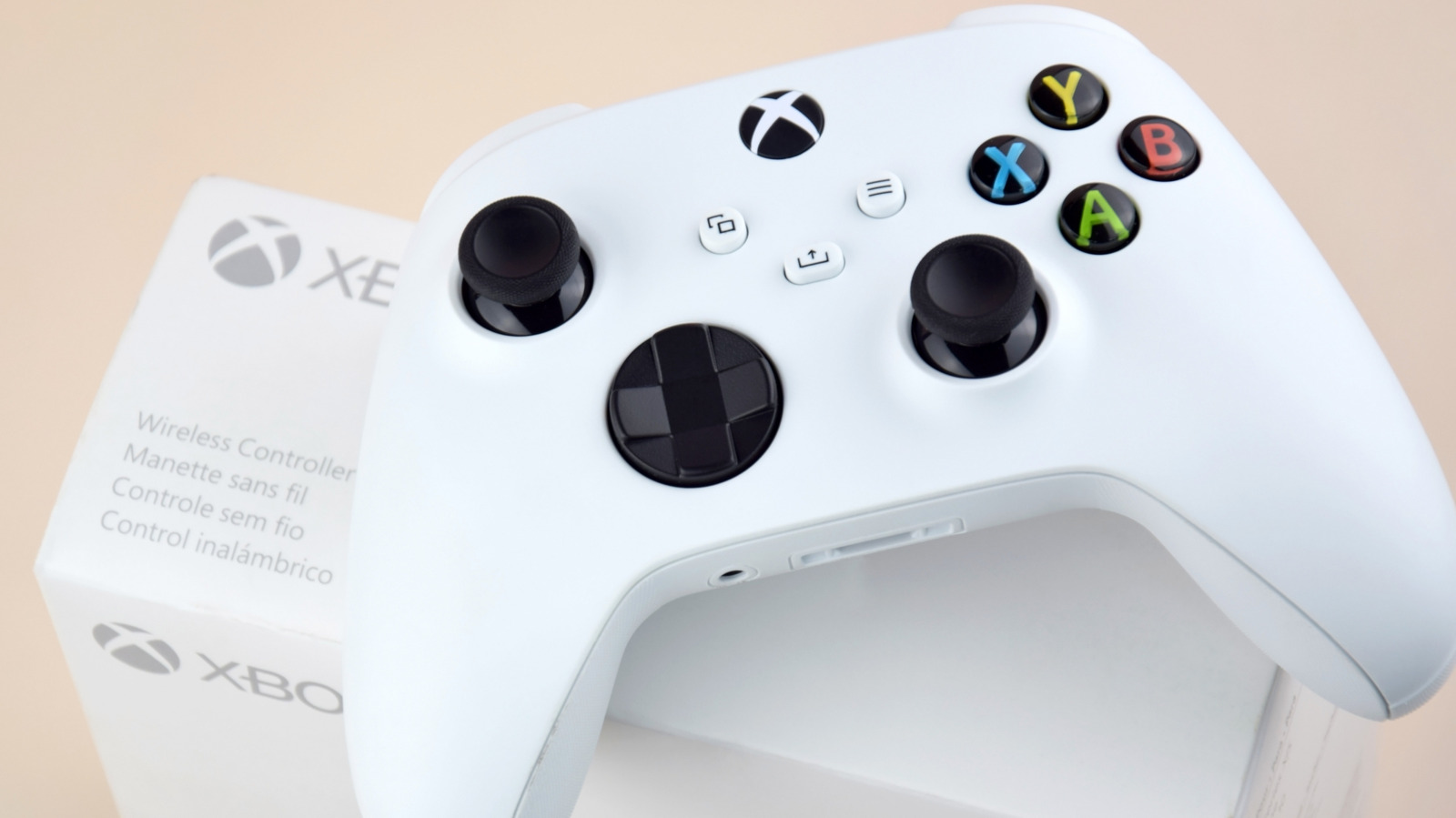
Wireless controllers remain standard for consoles
Most consoles ship with wireless-by-default controllers because they provide greater convenience to users. Gamers often prefer this setup to avoid managing dead batteries or charging rechargeable units.
Wired connections eliminate battery maintenance needs
Using a wired controller removes the worry of finding replacement batteries for gameplay sessions. This connection method also prevents sync issues that can occasionally occur with wireless adapters.
Input lag differences are not clear-cut
Competitive gamers seek the fastest response times, yet polling rates remain similar for both USB and wireless connections. Tests show maximum input delay is around eight milliseconds regardless of whether the controller uses a cable or an adapter.
Reported by one outlet
Only one outlet has published this. Nothing here has been checked against a second report, so read it as that outlet's account and follow the link below for the original.
Reported by
1 independent outlet. Headline as published. Links open the original report.