USB-A Letter Designates Connector Type Not Speed
Engadget explains that the letter A on USB ports simply identifies the rectangular connector type rather than indicating speed or power capabilities.
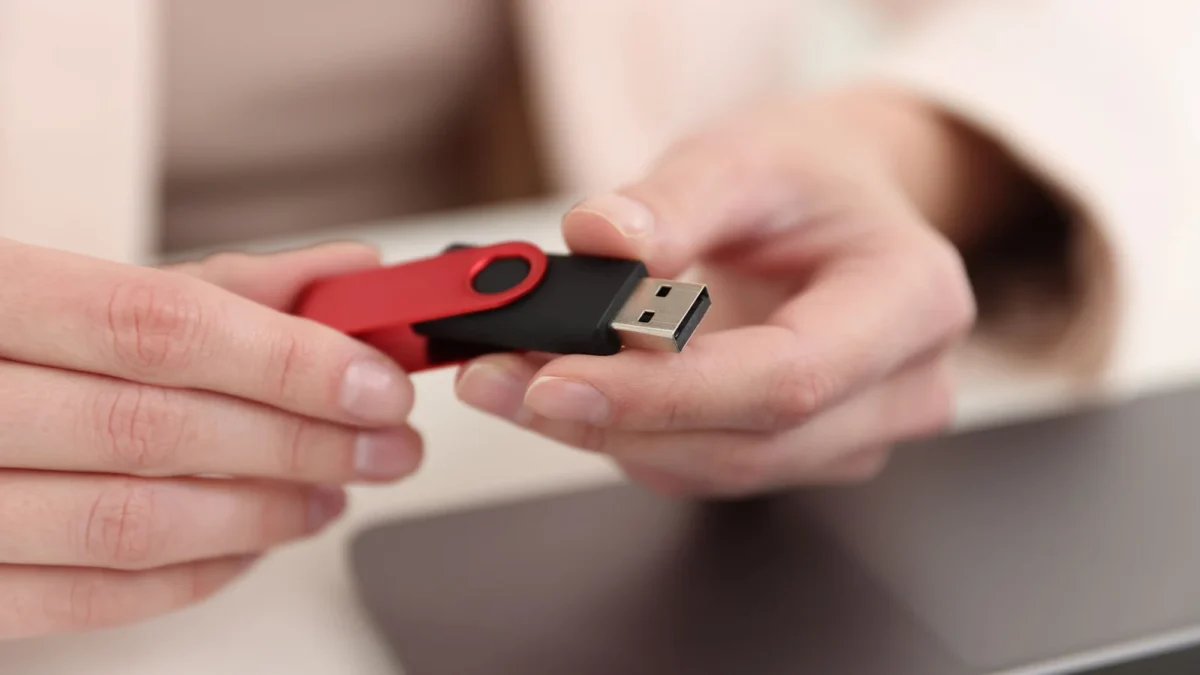
Connector Shape Defines Port Name
The letter A serves only as a designation for the familiar wide rectangular plug found on many flash drives and charging cables. This naming convention applies equally to USB-B and USB-C connectors which use different physical shapes for their connections. The USB Implementers Forum established these designators to help consumers understand where specific plugs fit into devices like traditional printers. In early setups, a square device connector used the B label while the rectangular end plugged into PCs used the A label.
Speed Capabilities Vary Widely
A single USB-A port does not reveal how quickly files transfer or how much charging power it delivers to a device. A standard USB 2.0 connection limits data rates to 480 Mbps but faster implementations exist that support speeds up to 10 Gbps. Users must check markings beside ports or consult manuals because color choices like teal are mostly up to manufacturers and not universal guarantees. Without associated labels, a cable in a drawer might offer only charging capability while another supports both data transfer and charging.
Shift Toward USB-C Continues
Most mid-tier and high-tier PCs now ship with more USB-C ports because the newer standard offers practical advantages for modern devices. USB-C connectors are reversible and feature a smaller design that saves space on laptops while supporting flexible USB4 capabilities. Despite this shift, USB-A has not become obsolete yet as it remains useful for everyday peripherals like mice and keyboards. The transition is undeniable but the older rectangular connector still functions effectively for many current computing needs.
Reported by one outlet
Only one outlet has published this. Nothing here has been checked against a second report, so read it as that outlet's account and follow the link below for the original.
Reported by
1 independent outlet. Headline as published. Links open the original report.