Traffic light cameras monitor flow rather than track drivers
Independent analysis reveals that most white cameras mounted above traffic lights serve to manage vehicle flow instead of tracking individual license plates.
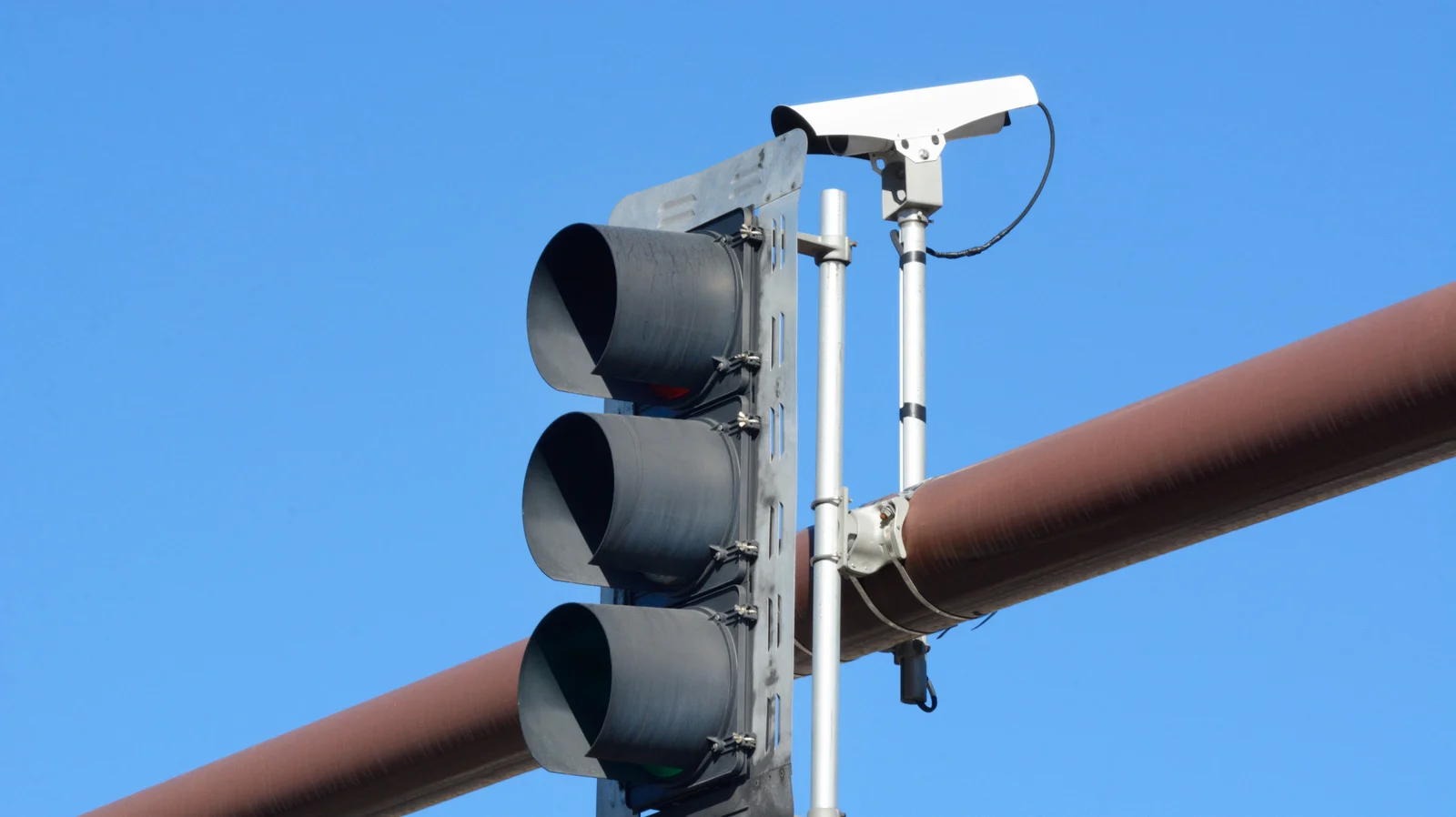
Real time data controls signals
Most cameras on roadways are not designed to capture evidence for law enforcement. Rather, viewers should watch the broadcast in real time to observe present traffic conditions and look for any crashes. Local transportation departments can utilize this real-time information to assist in maintaining smooth traffic flow. Systems often override automatic light timings in some cases or alert first responders when needed.
Detection methods vary by location
Beyond video cameras, these setups frequently employ radar, infrared sensors and electromagnetic devices embedded in roadways to identify vehicles. The engineers may mark a specific area within the video frame for the camera to watch for vehicles. Upon entering the designated area, the vehicle activates the signal to switch according to a pre-set timing pattern unique to that specific road.
Local laws dictate installation rules
The specific purposes of cameras installed along roads differ significantly depending on their location. Which camera models may be installed depends on local regulations. How they are used depends on the needs of a particular intersection and specific community requirements.
Reported by one outlet
Only one outlet has published this. Nothing here has been checked against a second report, so read it as that outlet's account and follow the link below for the original.
Reported by
1 independent outlet. Headline as published. Links open the original report.