Solar panel chargers offer backup power for phones and laptops
Independent guides explain how to select portable solar chargers for outdoor use when electrical outlets are unavailable.
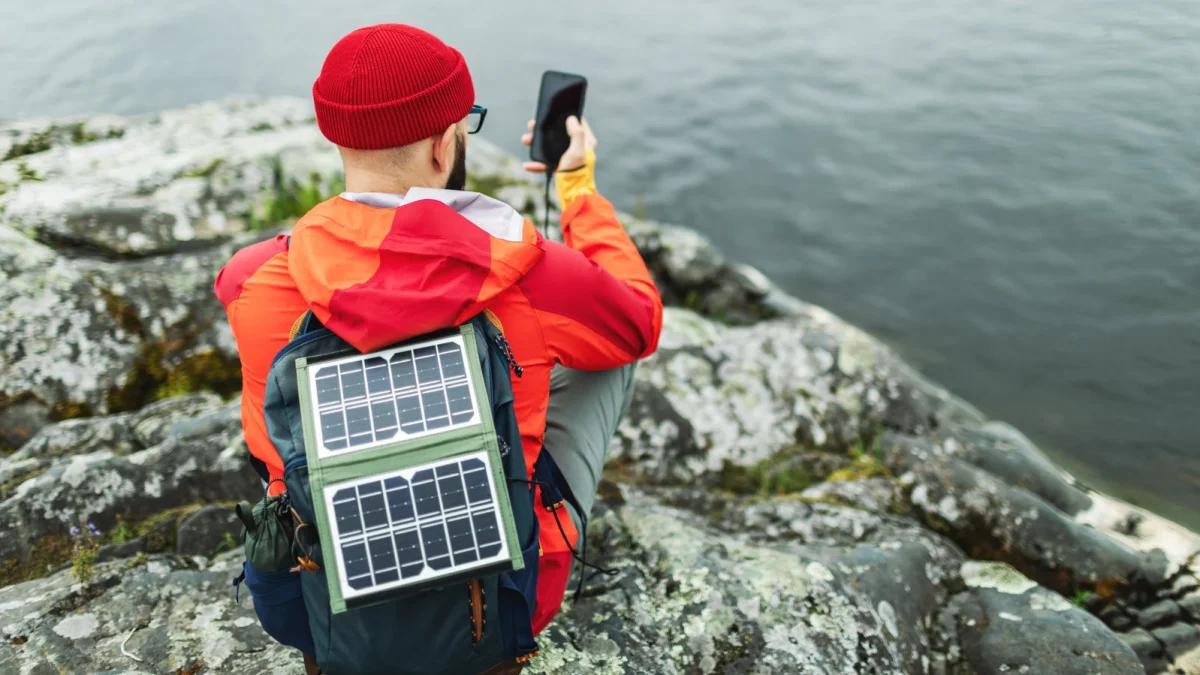
Three types of solar devices
Panel-only chargers allow users to plug a phone directly into the unit while sunlight converts energy. These devices lack storage capacity and suit shorter trips with sunny conditions best. Other models include built-in batteries that store captured energy for later use during camping. Portable power stations represent the third option by letting users charge several devices simultaneously. Compact units exist in this category weighing as little as 4 pounds for easier transport.
Wattage and port considerations
Smaller lightweight models typically produce between 15 and 50 watts of power for charging phones. Actual output varies based on cloud cover or how the device angles toward the sun. Users must consider the number of ports available, such as USB-C connections for direct phone plugging. Bulkier devices may be difficult to carry while hiking but offer higher capacity options. Some units fold for easier transport or feature stands to position panels correctly.
Safety and design features
Buyers should check for water resistance and weather protection before purchasing a solar charger. Overcharge protection and temperature control are essential safety features found on many modern units. Foldable designs help users carry the equipment without excessive weight during long hikes. Clip-on attachments allow chargers to secure directly to a backpack for hands-free movement.
Reported by one outlet
Only one outlet has published this. Nothing here has been checked against a second report, so read it as that outlet's account and follow the link below for the original.
Reported by
1 independent outlet. Headline as published. Links open the original report.