PC RAM durability depends on usage and manufacturing quality
Independent analysis suggests computer memory modules typically last between three and fifteen years depending on workload intensity and initial build standards.
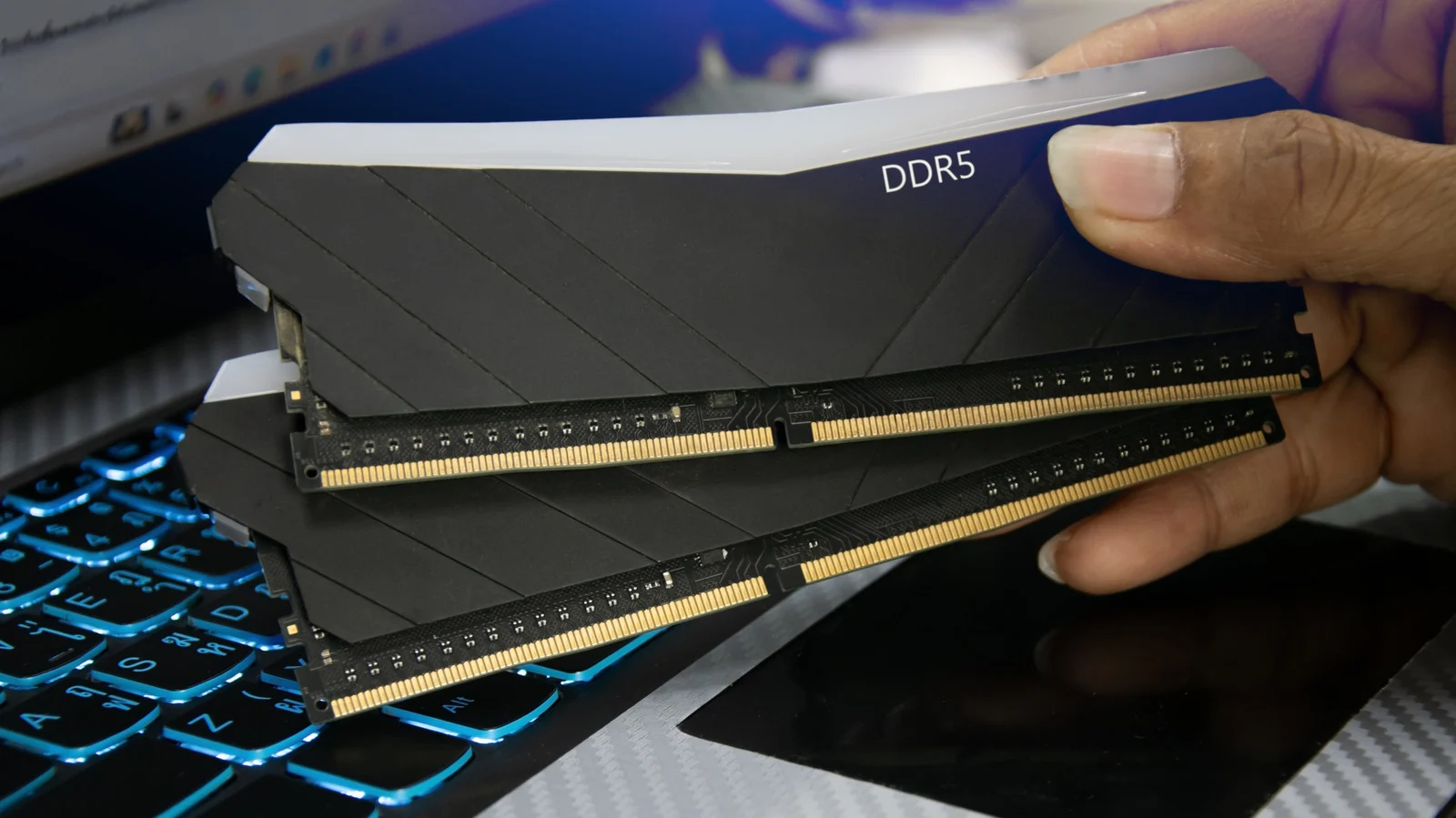
Memory lifespan varies by use
PCWorld claims average material longevity for RAM falls anywhere between three and fifteen years. This broad range accounts for factors like manufacturing quality and specific user workloads. Light tasks such as browsing or streaming place little strain on the circuitry. Heavy duties like video editing or AI processing stretch memory to its limits.
Heat and voltage affect chips
Electricity for reads and writes generates waste heat that slowly wears down circuitry over time. While overclocking improves performance, it may cause temperatures to exceed design limits unless additional cooling is applied. Ambient conditions matter if the CPU or GPU generates excessive heat during operation. Static shock remains a potential cause for quasi-random failures in any system.
Upgrades driven by performance gaps
Older DDR4 RAM is plenty fast for most people despite newer DDR5 availability. Multitasking users benefit more from having 32GB of DDR4 than 16GB of DDR5. Motherboards designed for latest sockets often lack backwards compatibility with older memory types. Companies like Intel are backtracking to support cheaper DDR4 despite DDR6 being on the horizon.
Reported by one outlet
Only one outlet has published this. Nothing here has been checked against a second report, so read it as that outlet's account and follow the link below for the original.
Reported by
1 independent outlet. Headline as published. Links open the original report.