Curiosity rover finds hidden water films on Mars
NASA's Curiosity rover has detected thin liquid-like water films in Gale Crater through new atmospheric carbon dioxide analysis published today.
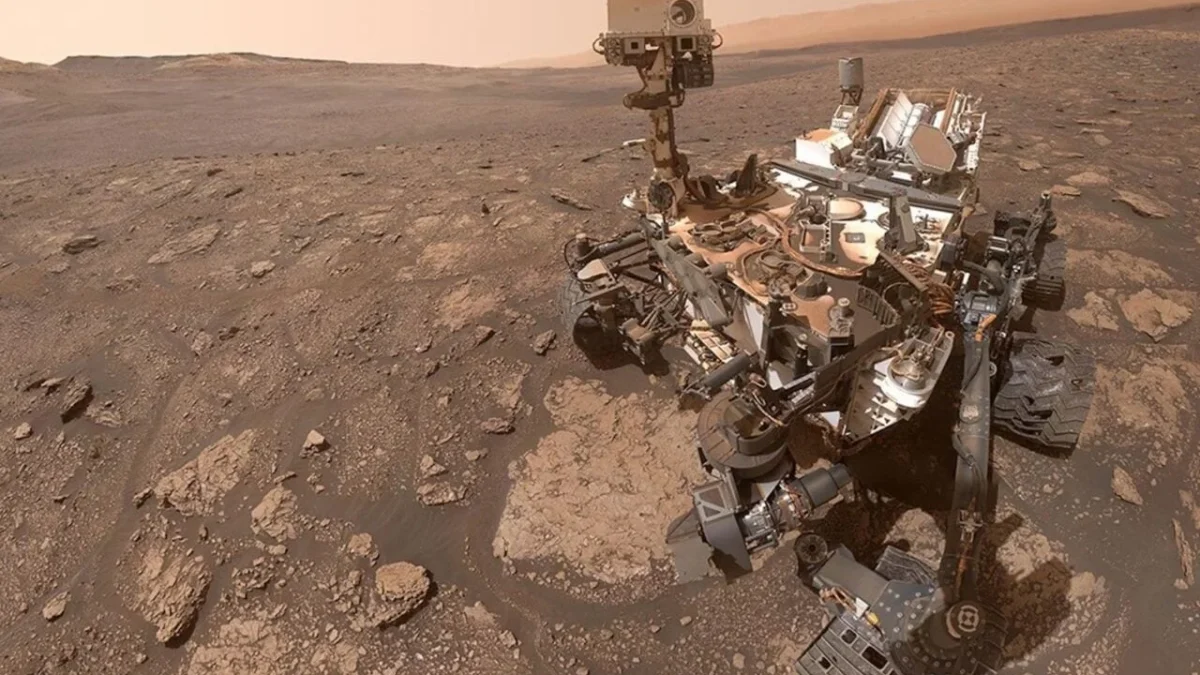
New findings from the Gale crater
A study published today in Proceedings of the National Academy of Sciences analyzed carbon dioxide data gathered by Curiosity from 2012 to 2025. Researchers found an increased proportion of oxygen-18 isotopes during spring and summer seasons at the site. Lead author Heather Franz stated this represents the first long-term record of isotopic composition in Mars's atmosphere. The team believes atmospheric carbon dioxide exchanges oxygen isotopes with extremely thin liquid-like films on the surface.
How the exchange occurs annually
These films are not bound in ice crystals like water found at polar caps or subsurface reservoirs. They could be up to several molecules thick but involve individual water molecules interacting with gases. Computer models showed only this explanation reproduced observed changes in oxygen-18 ratios seen by the instrument suite. The Sample Analysis at Mars tool targeted both chemical and isotopic composition over more than a decade.
Future plans for other locations
Franz and his team anticipate that upcoming expeditions will gather comparable information from various sites on Mars. This effort will help investigators determine how widespread this carbon dioxide-water exchange is globally. This research will reveal details about the makeup of underground water in different regions of Mars.
Reported by one outlet
Only one outlet has published this. Nothing here has been checked against a second report, so read it as that outlet's account and follow the link below for the original.
Reported by
1 independent outlet. Headline as published. Links open the original report.