Weather patterns link European forest fires across regions
A research team led by Manuela Brunner at ETH Zurich analyzed satellite data from 2001 to 2020 to find how specific weather regimes cause synchronous forest fires across Europe.
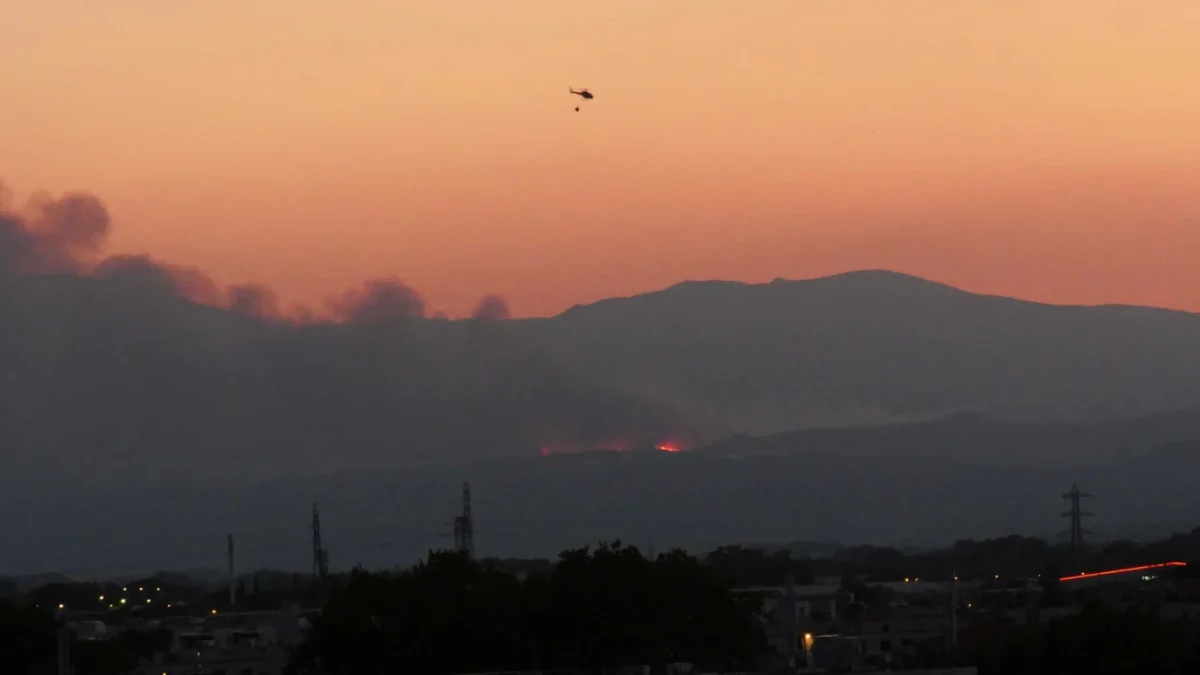
Scandinavian pressure drives distant burns
Xinhang Li, the lead author of the study published in Communications Earth & Environment, found that a stable high-pressure area over Scandinavia favors fires in Italy and the Balkans during summer. Conversely, a stable low-pressure area over Scandinavia in spring increases fire risk on the Iberian Peninsula and in the Balkans. These synchronous events are not invented but already exist according to the researcher who analyzed satellite imagery from space. The data excludes small fires and those in built-up areas or on agricultural land where causes remain unclear.
Seasonal timing varies by region
The study reveals that Scandinavia and Southern Europe mainly experience fires in summer while forests in Germany and the U.K. burn more often in spring. In contrast, the Alps and France do not show such distinct fire seasons according to Brunner's group findings. Li compared these results with weather data including a specific event in summer 2026 involving evacuations in France and Spain. That incident occurred under windy conditions caused by a high-pressure system over the North Atlantic combined with hot dry weather.
Greenland blocking suppresses fires
Only one of seven examined weather regimes suppressed synchronous fires during the twenty-year period from 2001 to 2020. This occurs when a high-pressure system over Greenland creates a low-pressure system over mainland Europe resulting in cold and damp conditions. These tools might allow fire crews to project predictions ranging from several hours forward as far as two weeks in advance. These early warning systems help allocate limited firefighting resources efficiently before fires even break out.
Reported by one outlet
Only one outlet has published this. Nothing here has been checked against a second report, so read it as that outlet's account and follow the link below for the original.
Reported by
1 independent outlet. Headline as published. Links open the original report.