Vietnam Tropical Forests Show Slow Carbon Recovery After Logging Ends
Researchers in central Vietnam found that tropical forests did not store more carbon between 2016 and 2024 despite a logging ban since 2007.
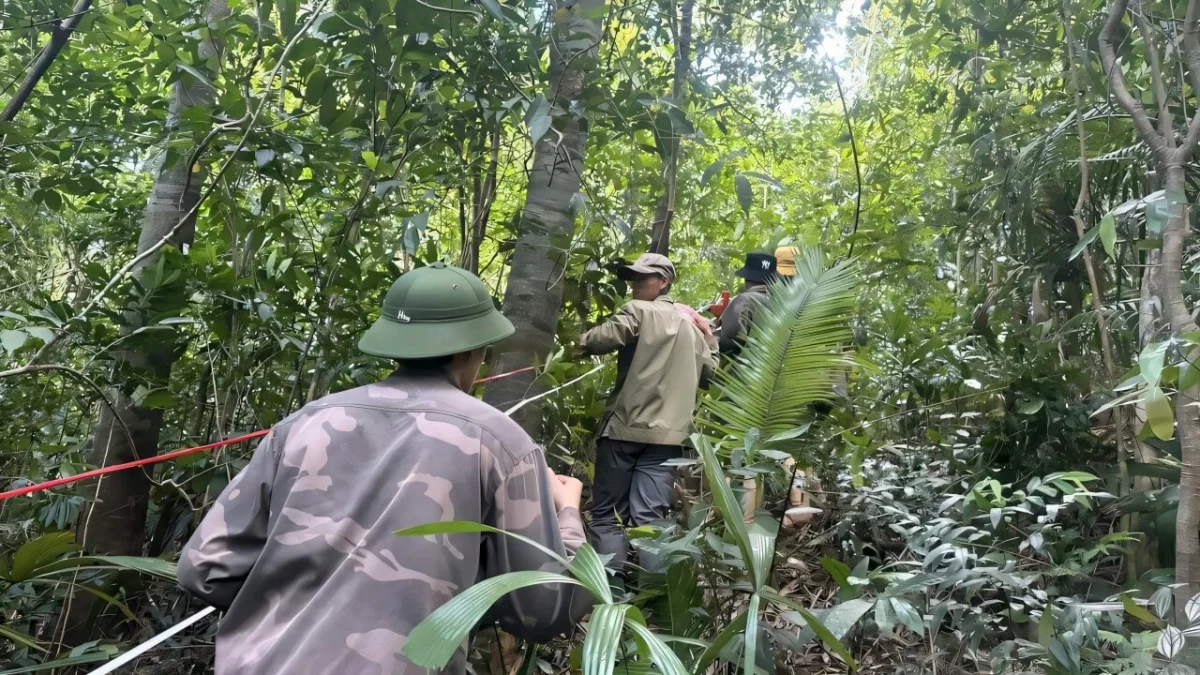
Fieldwork Reveals Stalled Carbon Gains
A team of twelve scientists spent nearly two months camping in the Động Châu, Khe Nước Trong nature reserve during 2024. They measured every tree in twenty-four study plots by hand to track species and diameter over four separate visits since 2016. The data shows no net increase in carbon stored within trunks and branches from 2016 through 2024. Although trees continue to grow, carbon gains are almost entirely cancelled out by the death of individual trees.
Heat Waves Limit Tree Growth
Logging intensity was particularly high in these tropical forests between 1982 and 2007 before operations ceased. Rising maximum temperatures have restricted growth since the monitoring program began, with severe heat waves occurring in April and four times in August of 2024. Recovery rates remain far below estimates provided by the U.N. Intergovernmental Panel on Climate Change for this region. These findings challenge assumptions that forests will rapidly bounce back once logging stops.
Implications For Carbon Markets
Governments and global carbon markets often invest in planting new trees to offset emissions based on rapid recovery expectations. Southeast Asia hosts the majority of profitable forest restoration projects that rely on these optimistic projections. Protecting young regrowing forests from repeated clearing is essential because recovering ecosystems are vulnerable to further logging. The study was published in the journal Environmental Research Letters by researchers working under Phys.org.
Reported by one outlet
Only one outlet has published this. Nothing here has been checked against a second report, so read it as that outlet's account and follow the link below for the original.
Reported by
1 independent outlet. Headline as published. Links open the original report.