UV scans reveal natural varnish protecting ancient Chauvet Cave drawings in France
Researchers used UV fluorescence spectroscopy to study mineral deposits on Paleolithic artwork inside the sealed Chauvet Cave in southeastern France.
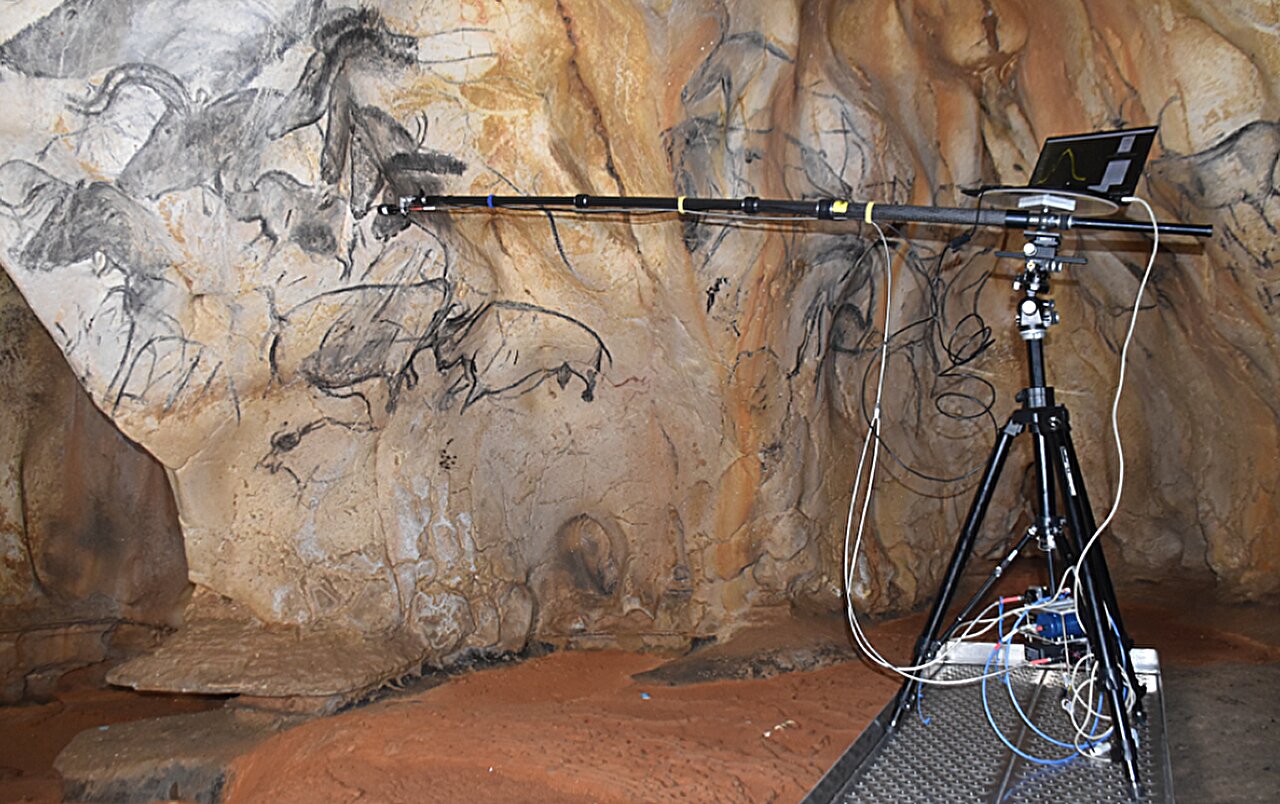
Noninvasive investigation of ancient art
Scientists applied a technique called UV fluorescence spectroscopy to examine the cave walls without causing damage. This method reveals fluorescent mineral deposits that are invisible to the naked eye. The team focused on layers formed atop charcoal-based drawings created by Paleolithic people.
Discovery of protective natural layer
The scans uncovered a natural varnish that has protected the images for centuries. Researchers published their findings regarding this preservation mechanism in the journal ACS Omega. The study helps explain how the cave's geology contributed to keeping the art intact.
Reported by one outlet
Only one outlet has published this. Nothing here has been checked against a second report, so read it as that outlet's account and follow the link below for the original.
Reported by
1 independent outlet. Headline as published. Links open the original report.