University of Toronto engineers create ultra-bright nanoparticles for chemical detection
Scientists at the University of Toronto have developed new dye-sensitized nanoparticles capable of detecting tiny chemical traces and distinguishing nearly identical molecules on September 20, 2026.
How the new particles work
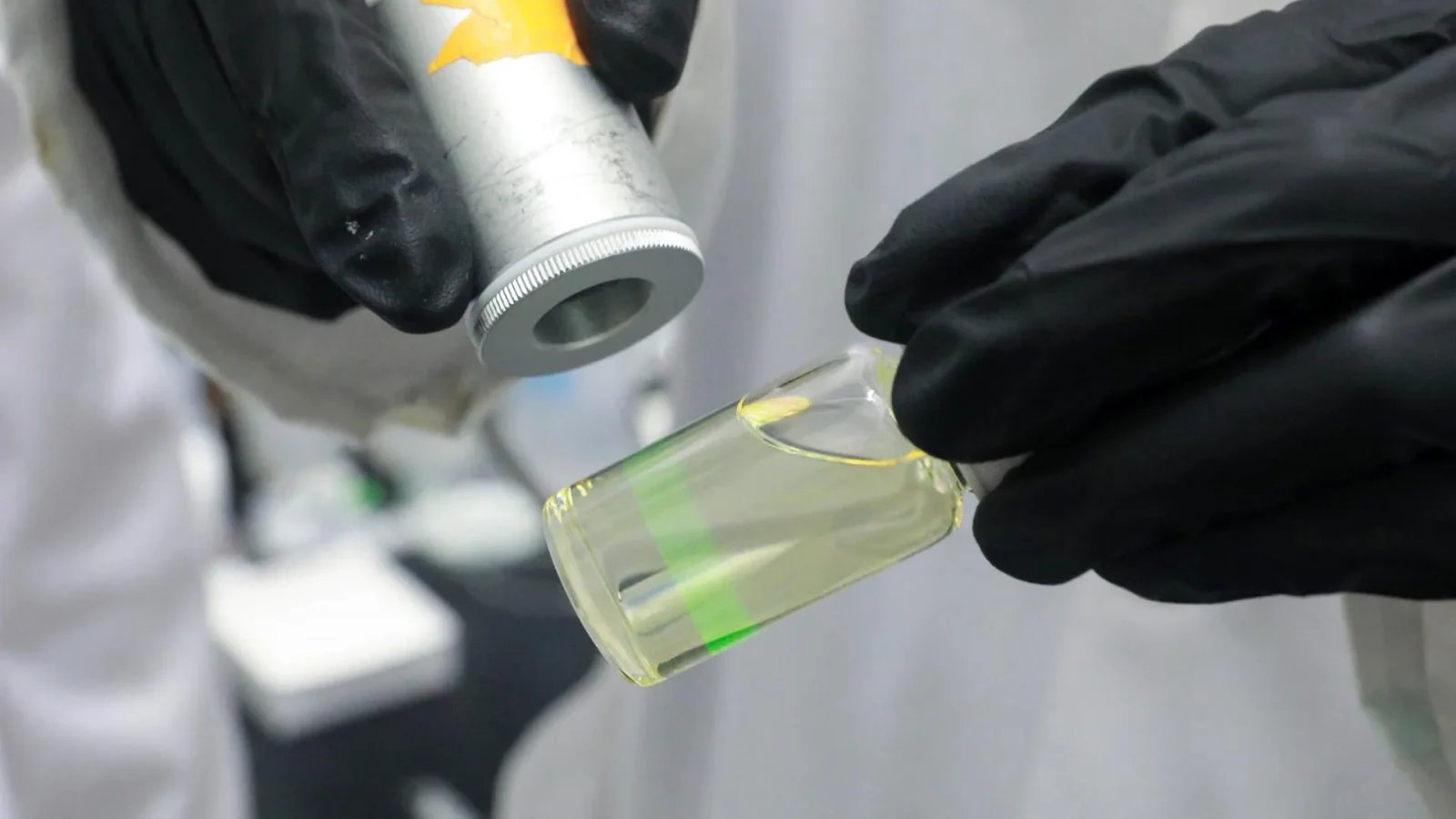
These engineered particles generate a strong light signal once they bind to a specific target substance. The process involves absorbing low-energy photons and converting that energy into higher-energy photons for measurement. This optical reaction allows researchers to identify substances even when present in extremely small quantities.
Potential uses in industry
Pharmaceutical companies might apply this technology to find unwanted impurities within drug formulations quickly. Environmental scientists could also deploy these tools to locate minute levels of pollutants inside groundwater supplies. The method offers a cheaper alternative for monitoring chemical safety using simple low-cost lasers.
Distinguishing similar molecules
The system can tell apart molecules that look almost identical in their physical shape and structure. This ability to spot vanishingly small traces helps solve problems where standard detection methods fail. Such precision supports better quality control in manufacturing and environmental monitoring efforts.
Reported by one outlet
Only one outlet has published this. Nothing here has been checked against a second report, so read it as that outlet's account and follow the link below for the original.
Reported by
1 independent outlet. Headline as published. Links open the original report.