Unconditional cash payments help protect Peruvian Amazon rainforest
A two-year pilot project in Peru's Asháninka region gave Indigenous people an unconditional basic income to spend freely.
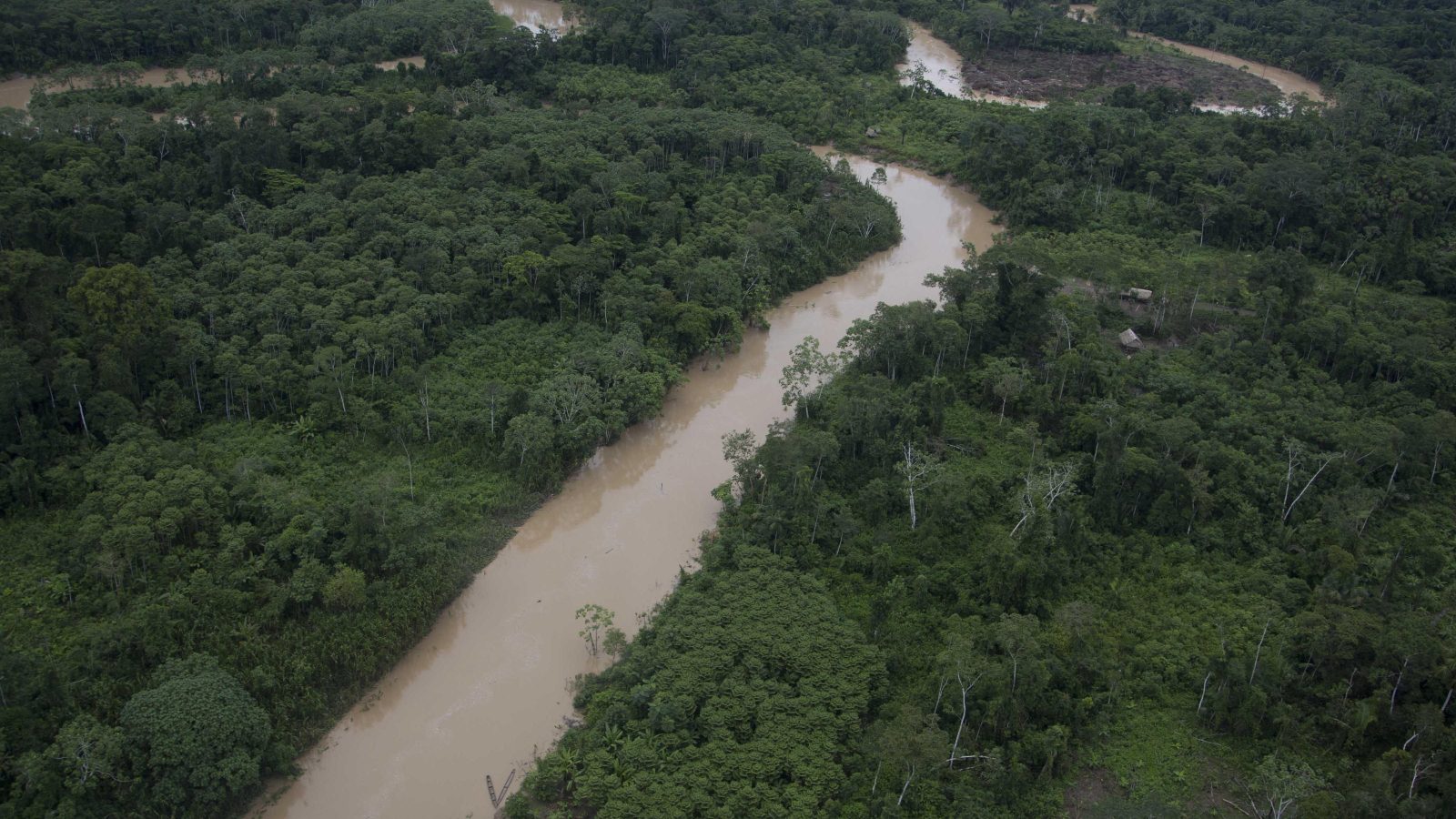
Study finds forest protection results
Researchers from the University of Bath analysed data from the trial managed by Cool Earth. The analysis showed that nearly ninety percent of participants adopted practices like reforestation and reduced burning. Households unable to afford nutritious food dropped from seventy-three percent to twenty-six percent during the period.
Food security and migration drop
The project also saw a decline in forced migration as people stayed to protect their homes. Participants received six cash transfers totaling 1,032 Peruvian soles each over the course of two years. This financial support allowed communities to maintain greater autonomy while securing local ecosystems.
Training program complements cash aid
The initiative used a Cash Plus model that included community-led training on environmental conservation and governance. Researchers examined outcomes across income generation, education, and nutrition alongside the direct cash support. The findings suggest security and autonomy enable communities to better protect dependent ecosystems.
All 2 outlets report consistently
No differences in figures, names or dates across these reports.
- The Guardian
- Phys.org
Reported by
2 independent outlets. Headlines as published. Links open the original report.