UK mathematician says Parthenon optical illusion myth is an illusion
Professor Alain Goriely of the University of Oxford concludes that a 2,000-year-old legend about optical corrections at the Parthenon in Athens is unfounded.
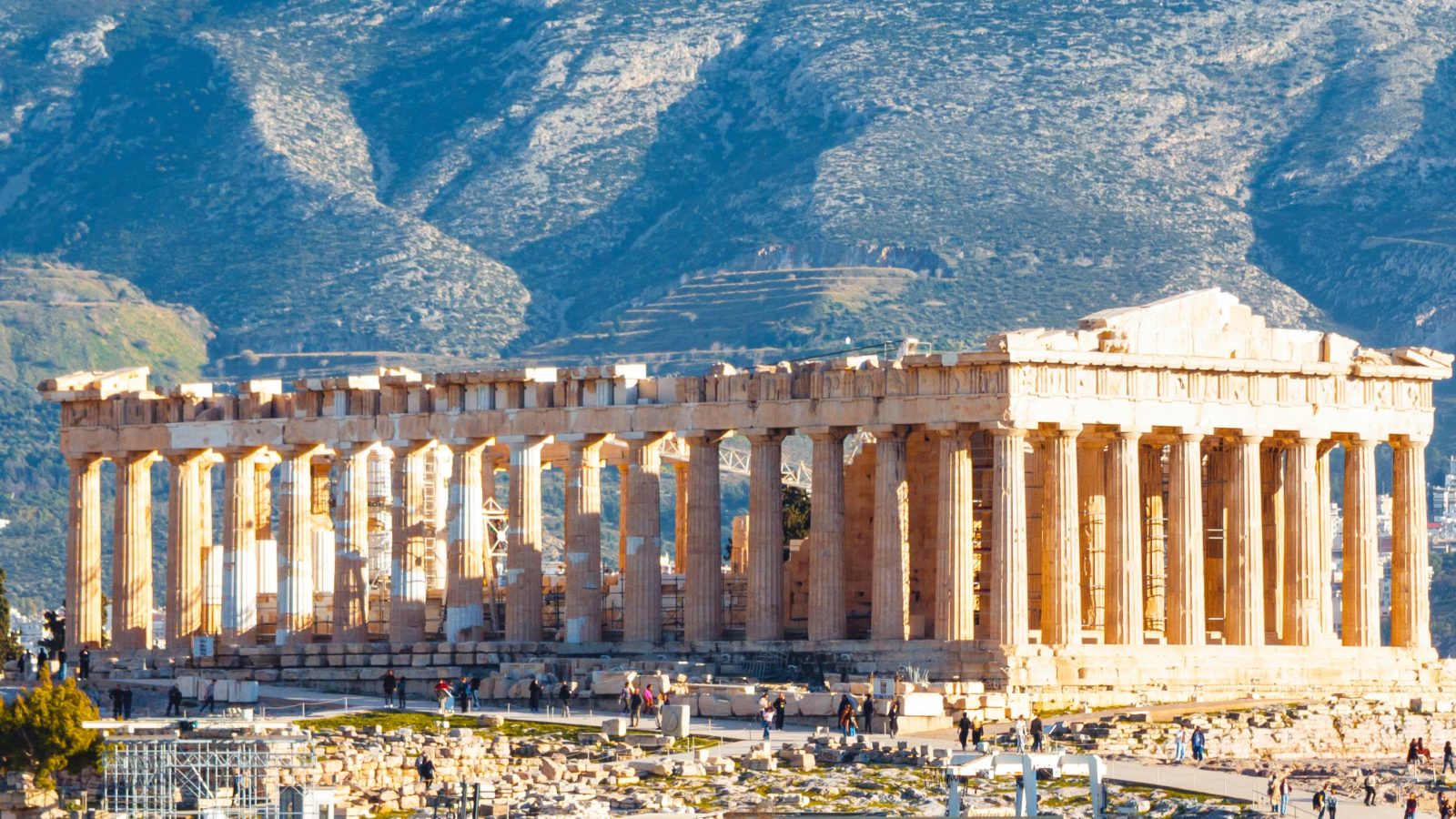
Ancient claims face modern scrutiny
Scholars have long praised the architects for using geometry to fix visual errors. Professor Goriely studied these claims by reviewing ancient texts and running mathematical models. He found that the supposed illusions are either nonsense or too small to see.
The myth traces back to Vitruvius
The idea originates from Roman engineer Vitruvius, who wrote about the temple four centuries after it was built. His account became established fact in architectural books and even appears in AI chatbots today. Measurements show the base rises six centimetres in the centre, but this does not correct a sagging effect.
Human vision limits matter
Goriely compared the size of the curves with research on what people can actually perceive. The results suggest the refinements do not serve the purpose described in history books. Exactly why the original architects introduced these variations remains unknown.
All 2 outlets report consistently
No differences in figures, names or dates across these reports.
- The Guardian
- Phys.org
Reported by
2 independent outlets. Headlines as published. Links open the original report.