Tufts researchers warn anticoagulant rodenticides harm birds of prey
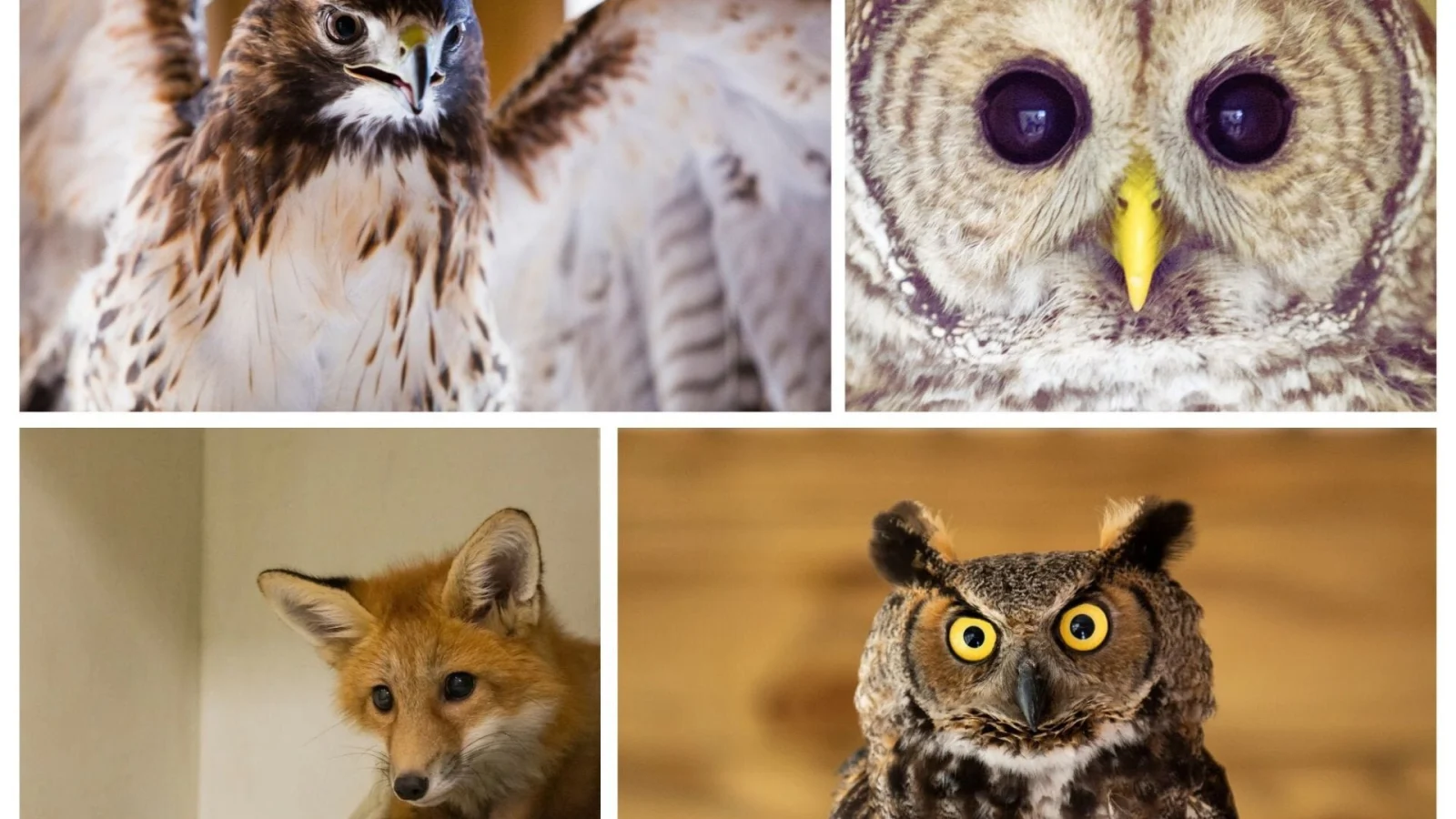
A Tufts University study published in 2020 found that anticoagulant poisons used against rodents are killing hawks and owls.
Poison transfer to predators
Common rodent killers prevent blood clotting and cause death through internal bleeding. These chemicals move up the food chain when birds eat contaminated prey. Exposure to these substances can result in fatal outcomes for raptors.
Study findings on hawks
Maureen Murray of Tufts University led the investigation into wildlife impacts. Her team tested red-tailed hawks and found every single one showed signs of poison exposure. Ninety-one percent of other birds tested in the same research also contained the chemicals.
Reported by one outlet
Only one outlet has published this. Nothing here has been checked against a second report, so read it as that outlet's account and follow the link below for the original.
Reported by
1 independent outlet. Headline as published. Links open the original report.