Texas researchers create new model to analyze hurricane vortices
Researchers at The University of Texas at Arlington have developed a mathematical model for identifying rotating structures inside hurricanes that NOAA now uses worldwide.
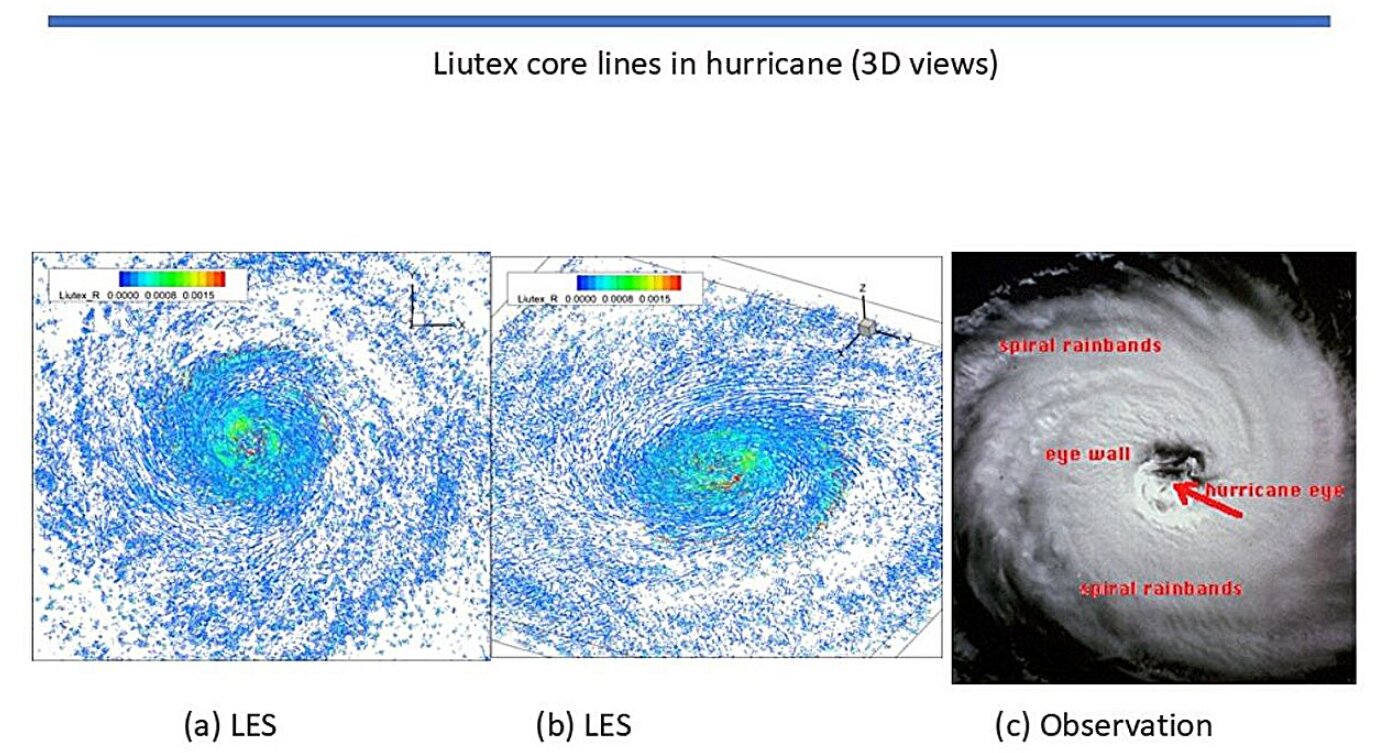
Liutex separates rotation from shear
Professor Chaoqun Liu spent over 36 years developing this method called Liutex. The tool distinguishes pure rotation from nonrotational shear within the storm structures. Traditional methods often mistake shear for rotation when trying to identify these features.
NOAA adopts the new approach
The National Oceanic and Atmospheric Administration has added Liutex to its monitoring website. This inclusion marks a milestone showing growing recognition within the atmospheric science community. The agency uses the model to track hurricane development across the globe.
Better forecasts may follow
Understanding vortex structure could eventually improve how scientists predict hurricane behavior. Liu noted that better knowledge of these internal parts helps researchers understand storms more clearly. He stated there are no other methods comparable to Liutex currently available.
Reported by one outlet
Only one outlet has published this. Nothing here has been checked against a second report, so read it as that outlet's account and follow the link below for the original.
Reported by
1 independent outlet. Headline as published. Links open the original report.