Texas A&M scientists create hemp with zero detectable THC
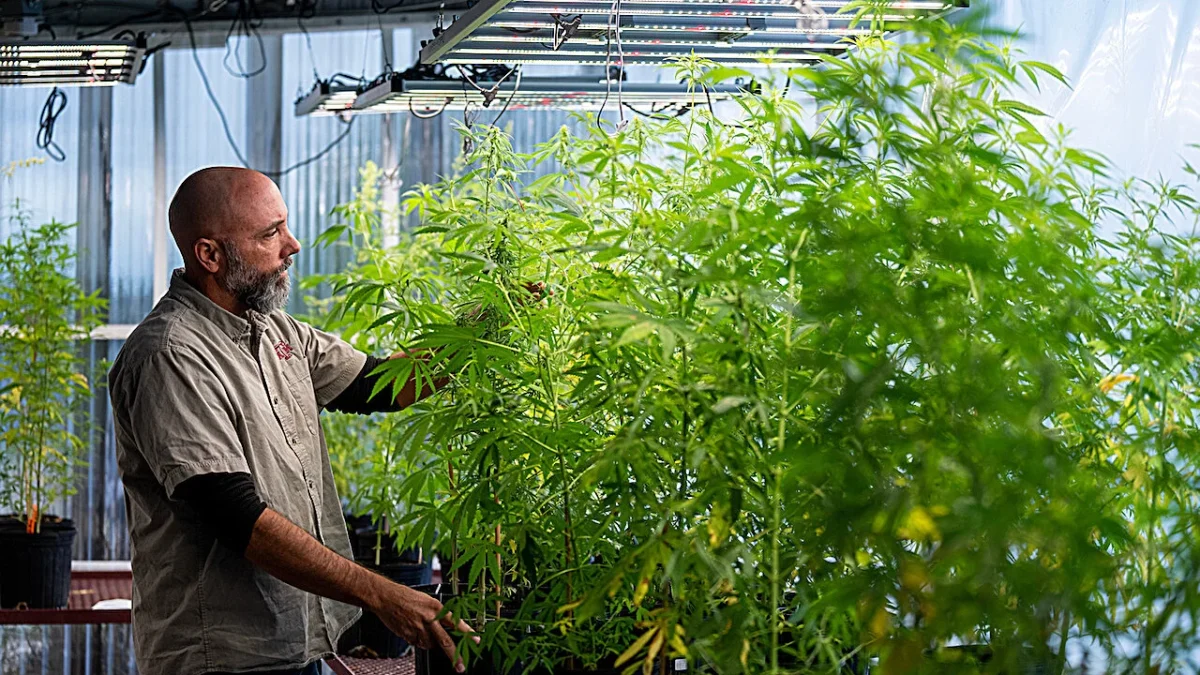
Scientists at Texas A&M AgriLife Research developed a new hemp plant that produces no detectable THC in Bryan, College Station.
New trait eliminates crop destruction risk
The new plant qualifies as Type V class hemp because it contains zero cannabinoids including delta-9-tetrahydrocannabinol. Producers previously faced the constant threat of destroying fields that tested above the federal limit of 0.3 percent THC. Russ Jessup stated this discovery removes the biggest risk for growers who cultivate fiber and grain varieties. This breakthrough allows farmers to avoid losing their entire harvest due to accidental contamination from imported seeds.
Researchers targeted plant trichome structures
Teja Sri Vengala began her research as a master's student in 2022 under the direction of Dr Jessup. She experimented with ethyl methanesulfonate dosages to cause genetic changes that removed glands from tiny hairlike trichomes on the plant. After self-pollinating these modified plants, high-performance liquid chromatography screening detected none of the eighteen cannabinoids tested for. Her work represents the first comprehensive calibration of EMS dosages specifically for industrial hemp seeds published in Crops.
Traditional breeding methods previously failed
Several universities and companies attempted to knock out cannabinoid genes but could not remove 100 percent of THC levels. Traditional breeding approaches often resulted in crops that still contained trace amounts of the active marijuana constituent. The AgriLife Research team chose a different approach by targeting the physical structures where cannabinoids are made instead. This strategy successfully produced a crop that never requires destruction regardless of environmental testing results.
Reported by one outlet
Only one outlet has published this. Nothing here has been checked against a second report, so read it as that outlet's account and follow the link below for the original.
Reported by
1 independent outlet. Headline as published. Links open the original report.