Termites likely produce most methane gas annually
Scientists identify termites as the top global methane emitters based on hindgut fermentation data.
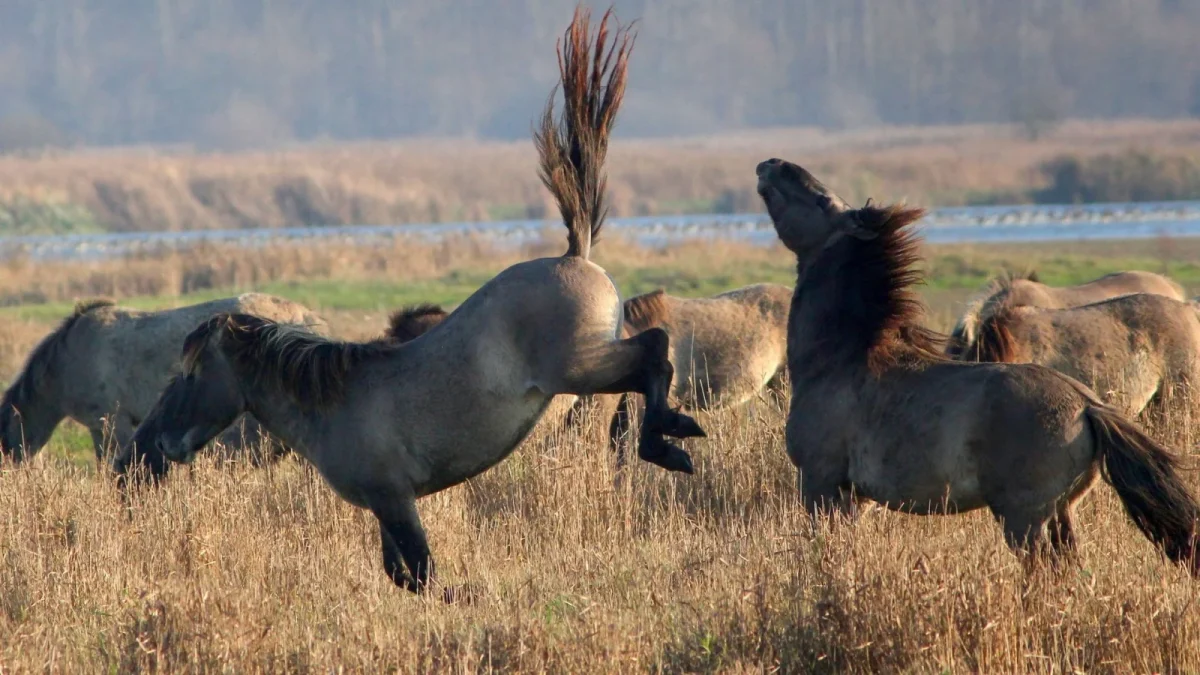
Measuring animal flatulence challenges
Live Science was informed by experts that quantifying flatulence for each creature presents a significant challenge. Scientists determine methane output from livestock by housing them in respiration chambers followed by inserting a capsule into their stomachs. Instead, they hold their breath at locations where feeding or milking occurs. Analyzing how various species generate methane could reveal insights into their digestive routines.
Cows belch more than they fart
A recent report puts total cow methane emissions at 117 teragrams per year globally. The overwhelming majority of this gas is released through burping not flatulence according to Professor Ermias Kebreab. Herbivores rely on microbes in their guts to ferment plant material which releases gases such as methane and carbon dioxide. A portion of the gas enters the blood and is breathed out, whereas the remainder departs through the closest exit.
Hindgut fermenters pass wind
Animals that ferment their food toward the back of the digestive tract mostly pass it as wind. Termites break down wood and grass in their hindguts making them a possible contender for top status. Meat eaters typically produce far less methane than herbivores do according to Dr Marcus Clauss. The best candidates are hindgut fermenters that digest plant matter in the large intestine.
Reported by one outlet
Only one outlet has published this. Nothing here has been checked against a second report, so read it as that outlet's account and follow the link below for the original.
Reported by
1 independent outlet. Headline as published. Links open the original report.