Tel Aviv University study finds plants create optical illusions when growing
Researchers at Tel Aviv University published a study in PNAS explaining how plants integrate light from multiple directions to determine growth direction.
Distributed sensing without a brain
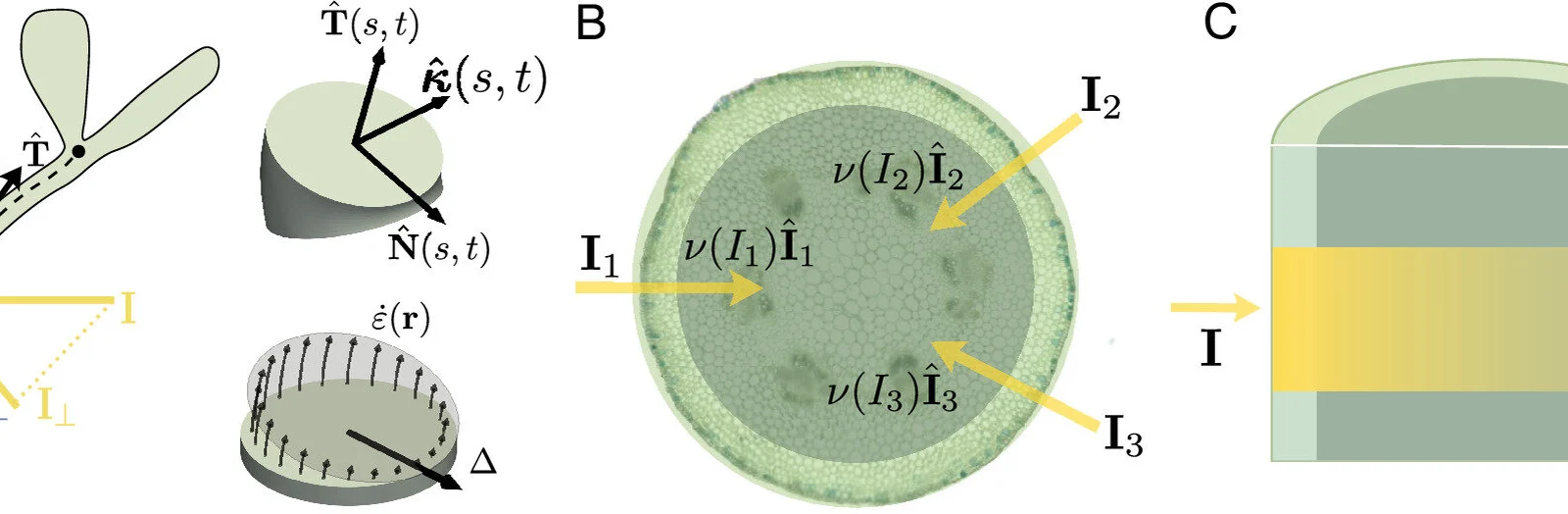
The team found that plants lack a central nervous system yet still process sensory data effectively. Light receptors located on the outer layer of the stem sense illumination locally rather than relying on a single organ. These scattered sensors convert light intensity into biological signals before combining them to guide growth.
Mechanism causes directional lean
The integration process can result in stems leaning away from the most intense light source in specific situations. This behavior matches a phenomenon the researchers describe as an optical illusion similar to human visual tricks. The study authors note this mechanism emerges from local sensing across the stem without centralized processing.
Reported by one outlet
Only one outlet has published this. Nothing here has been checked against a second report, so read it as that outlet's account and follow the link below for the original.
Reported by
1 independent outlet. Headline as published. Links open the original report.