Study finds cyanobacterium in clean lakes lacks common toxin machinery
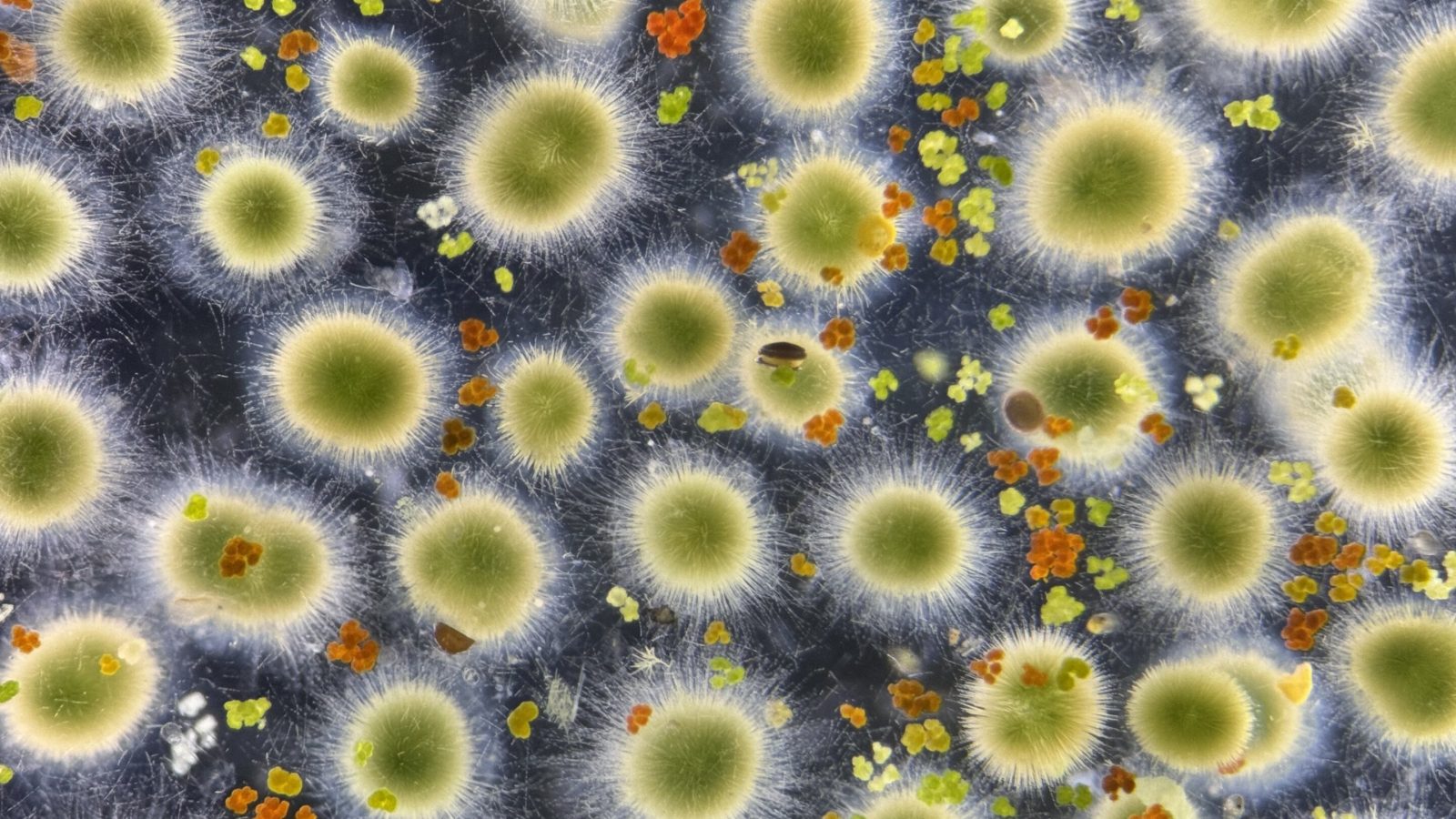
Researchers at Bigelow Laboratory and Oregon State University analyzed Gloeotrichia echinulata genomes from West Coast and Northeast lakes to assess its toxicity.
Genomic analysis reveals low risk
Scientists assembled the first complete genomes for this specific cyanobacterium species. The DNA comparison showed no evidence of machinery needed to produce common toxins found in other blue-green algae blooms. This genetic similarity across distant locations suggests the organism has predictable properties useful for water management.
Water taste remains a concern
Although the bacteria do not create harmful toxins, the samples contained genes for making geosmin. This compound can alter the taste of drinking water and requires additional treatment steps. Researchers noted that while the species is less dangerous than feared, it still poses a nuisance to water supplies.
Reported by one outlet
Only one outlet has published this. Nothing here has been checked against a second report, so read it as that outlet's account and follow the link below for the original.
Reported by
1 independent outlet. Headline as published. Links open the original report.