Single nuclear blast could disable most low Earth orbit satellites
Researchers at the University of Wisconsin, Madison report that one megaton explosion above the South Atlantic Ocean could cripple nearly all satellites in low Earth orbit by November 17, 2026.
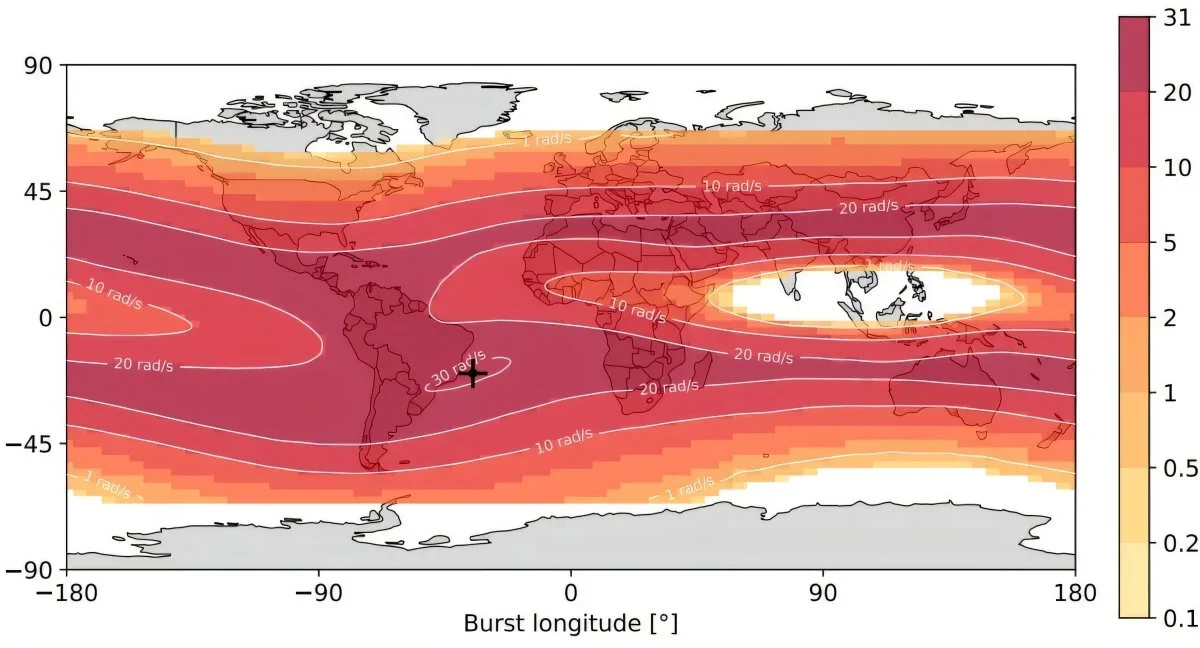
Simulation shows rapid satellite failure
Scientists used computer models to test a one-megaton nuclear explosion positioned 500 kilometers above Earth. The initial radiation burst disabled around 3 percent of the more than 13,000 satellites circling the planet immediately. Within one day, that number rose to 25 percent of the total fleet. After three days, 78 percent were non-functional, and 98 percent failed within a week.
Artificial radiation belt forms
Radioactive material from the blast releases electrons that become trapped in Earth's magnetic field. This process creates an artificial radiation belt around the globe that exposes passing satellites to intense radiation. Even if satellites were built with higher resistance, about 72 percent would still fail within a week. The disabled spacecraft remain in orbit unable to maneuver or avoid collisions with other debris.
Long term collision risks grow
The researchers estimated that approximately 20 collisions would occur within two years due to the stationary disabled satellites. These impacts generate additional space debris which poses a continuing threat to remaining operational systems. Replacing lost spacecraft will not solve the problem because new units must survive the lingering radiation and debris. Restoring full orbital services requires surviving environments that remain hostile for years after the event.
Reported by one outlet
Only one outlet has published this. Nothing here has been checked against a second report, so read it as that outlet's account and follow the link below for the original.
Reported by
1 independent outlet. Headline as published. Links open the original report.