Single-celled organism shrinks to quarter size in milliseconds using calcium-powered protein
Scientists at North Carolina State University identified how the single-celled ciliate Spirostomum ambiguum compresses its body rapidly on September 19, 2026.
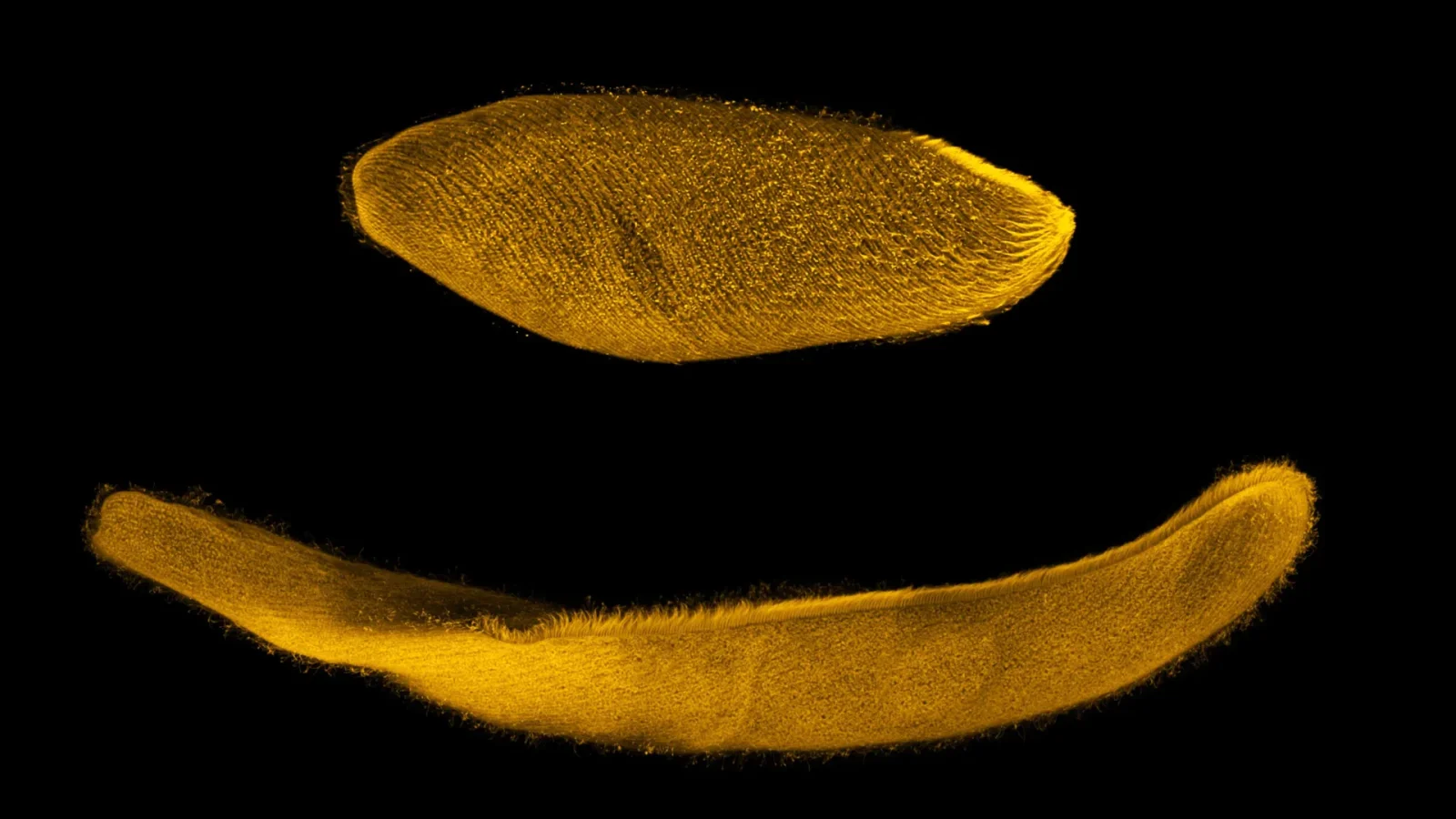
Calcium triggers rapid contraction
Researchers discovered that calcium ions drive a specialized protein network to pull the cell together. This fishnet-like structure allows the organism to reach one-quarter of its original length in under five milliseconds. The process happens hundreds of times faster than the time it takes for a human to blink.
Speed exceeds human muscle
Human muscle fibers can shorten by similar proportions but require significantly more time to complete the action. This aquatic ciliate moves at roughly 100 body lengths per second during its contraction cycle. The behavior likely helps the creature escape predators or send signals to other nearby ciliates.
Potential for artificial muscles
The discovery offers a blueprint for creating synthetic cellular machinery that moves much faster than current designs. Engineers hope to apply this unusual biological mechanism to build new types of artificial muscles. Such devices could eventually outperform existing technologies in speed and efficiency.
Reported by one outlet
Only one outlet has published this. Nothing here has been checked against a second report, so read it as that outlet's account and follow the link below for the original.
Reported by
1 independent outlet. Headline as published. Links open the original report.