SETI scientists target anti-solar point for alien signal search
SETI researchers Isabel Gerrard and Sofia Z. Sheikh present a new campaign to search for technosignatures at the moving anti-solar point during the 77th International Astronautical Congress.
New search focuses on timing
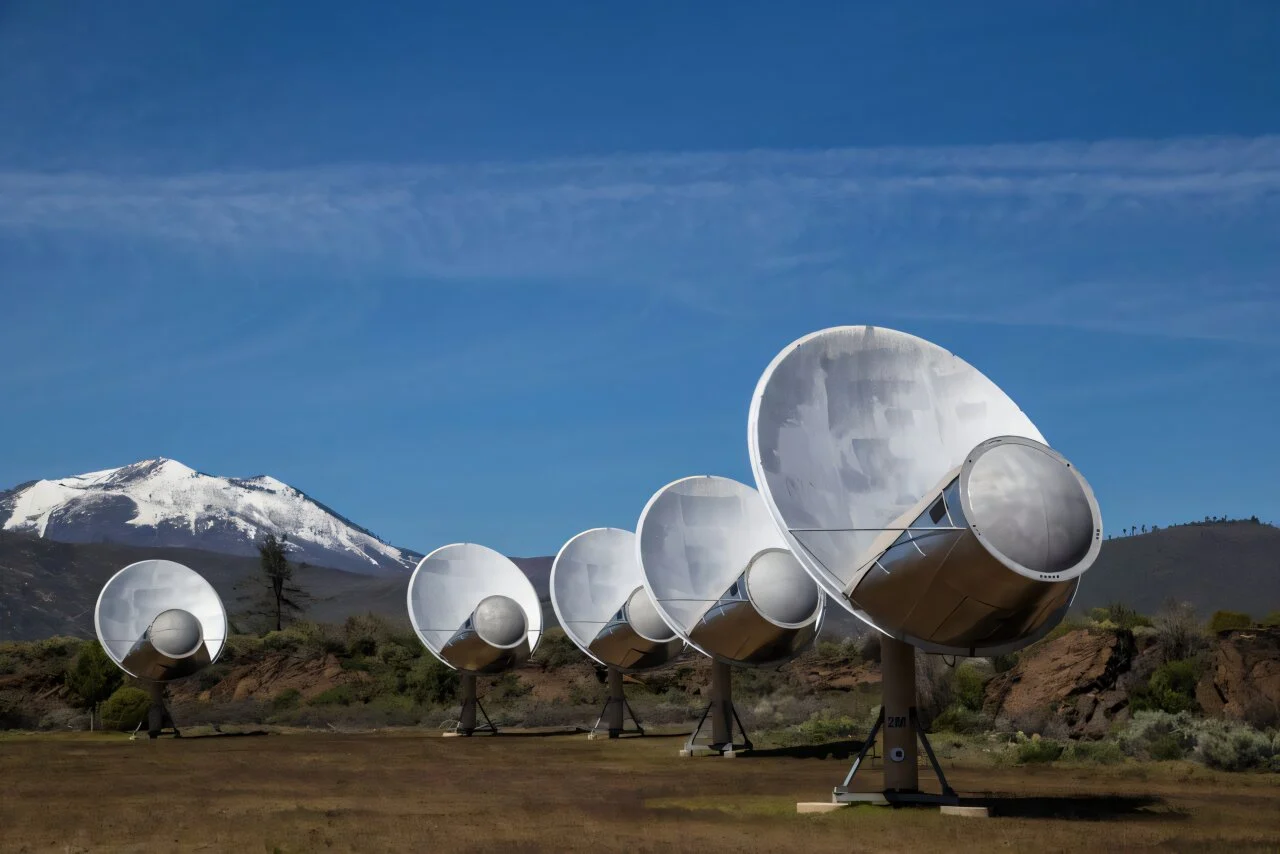
Scientists argue that when to look is now as important as where to look for signals. The new paper titled A Technosignature Survey Of The Anti-Solar Point outlines this largest-ever campaign with the Allen Telescope Array. This effort targets a specific location in space-time called the anti-solar point which shifts as Earth orbits the sun. Researchers believe this moving coordinate offers a better chance to detect purposeful transmissions from other civilizations.
Game theory guides the strategy
The project borrows concepts from game theory to predict when both humans and aliens might communicate without prior contact. Authors Isabel Gerrard and Sofia Z. Sheikh use Schelling points to hypothesize coordinates where two agents naturally arrive at a solution. These focal points rely on shared cultural understanding of prominent features within the given context rather than random guessing. The strategy assumes another intelligent civilization conducts its own SETI-like effort based on similar logical anticipations.
Search remains focused on stars
The new search does not abandon the traditional focus on sun-like stars or their orbiting planets. Life exists around these stars so the campaign still examines planets within habitable zones from a specific perspective. Resources are limited for both parties so using them effectively increases the chances of success for everyone involved. The predictability of a Schelling point relies on mutual awareness of each other's knowledge regarding prominent features.
Reported by one outlet
Only one outlet has published this. Nothing here has been checked against a second report, so read it as that outlet's account and follow the link below for the original.
Reported by
1 independent outlet. Headline as published. Links open the original report.