Scientists isolate immune-boosting factors from Epstein-Barr virus protein
Researchers at Hiroshima University identified two transcription factors that replicate the antitumor benefits of an Epstein-Barr virus protein in mice.
Viral protein triggers immune response
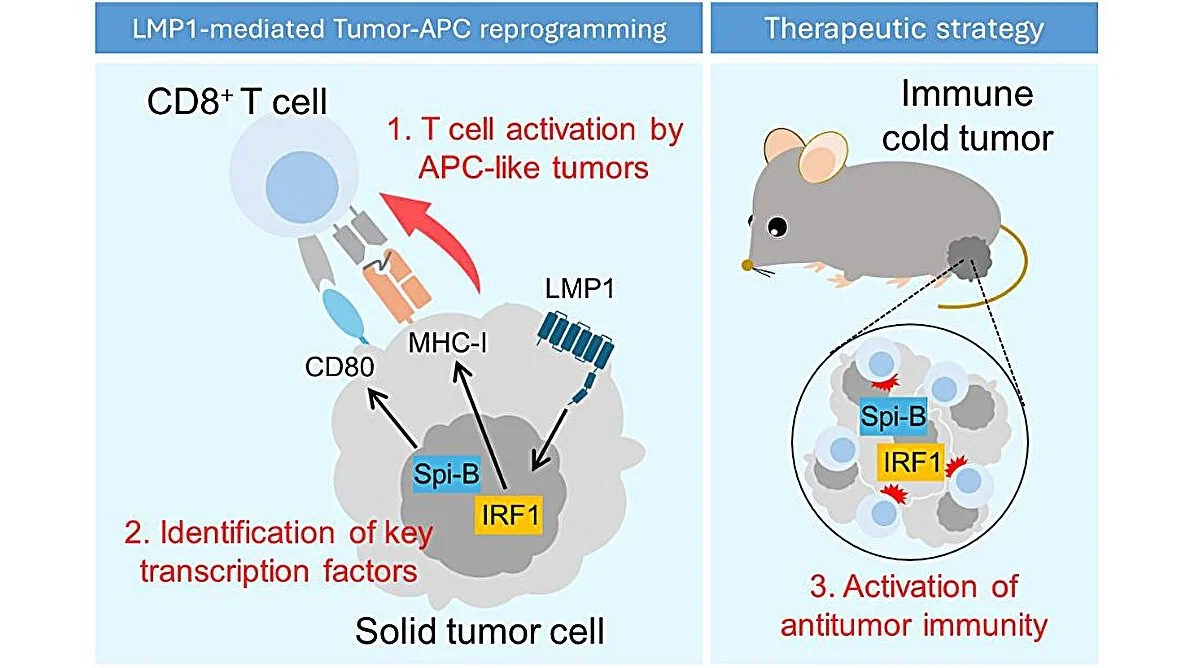
LMP1 is an Epstein-Barr virus protein known for promoting cancer while also spurring antitumor immune responses. Scientists traced these beneficial effects to two specific transcription factors named Spi-B and IRF1. By combining these two elements, tumor cells became more visible to the immune system without relying on the viral protein. This combination increased MHC class I molecules which display antigen fragments on cell surfaces for CD8+ T cells.
Spi-B and IRF1 activate immunity
Spi-B increased CD80 levels to provide signals that help activate T cells while IRF1 boosted MHC class I presentation. Together these factors stimulated CD8+ T-cell responses and suppressed tumor growth in mouse melanoma models. The study examined how LMP1 increased antigen presentation derived from endogenous retroviruses embedded in the genome. These ancient viral remnants helped activate tumor-reactive immune cells effectively during the laboratory experiments.
Future mRNA delivery plans
Author Tomoharu Yasuda noted that they succeeded in revealing Dr Jekyll without allowing Mr Hyde to remain. The approach remains experimental as results were demonstrated in mice with specific mouse-specific antigens examined. Further studies will determine if targeting these factors works safely and effectively in human tumors. Researchers now plan to develop a messenger RNA approach to deliver Spi-B and IRF1 into tumors.
Reported by one outlet
Only one outlet has published this. Nothing here has been checked against a second report, so read it as that outlet's account and follow the link below for the original.
Reported by
1 independent outlet. Headline as published. Links open the original report.