Scientists create global database of plant elemental composition for space research
An international team led by researchers at Texas A&M University has published a new global meta-analysis detailing the chemical elements found in Earth plants to support future agriculture on Mars and the moon.
Understanding plant composition basics
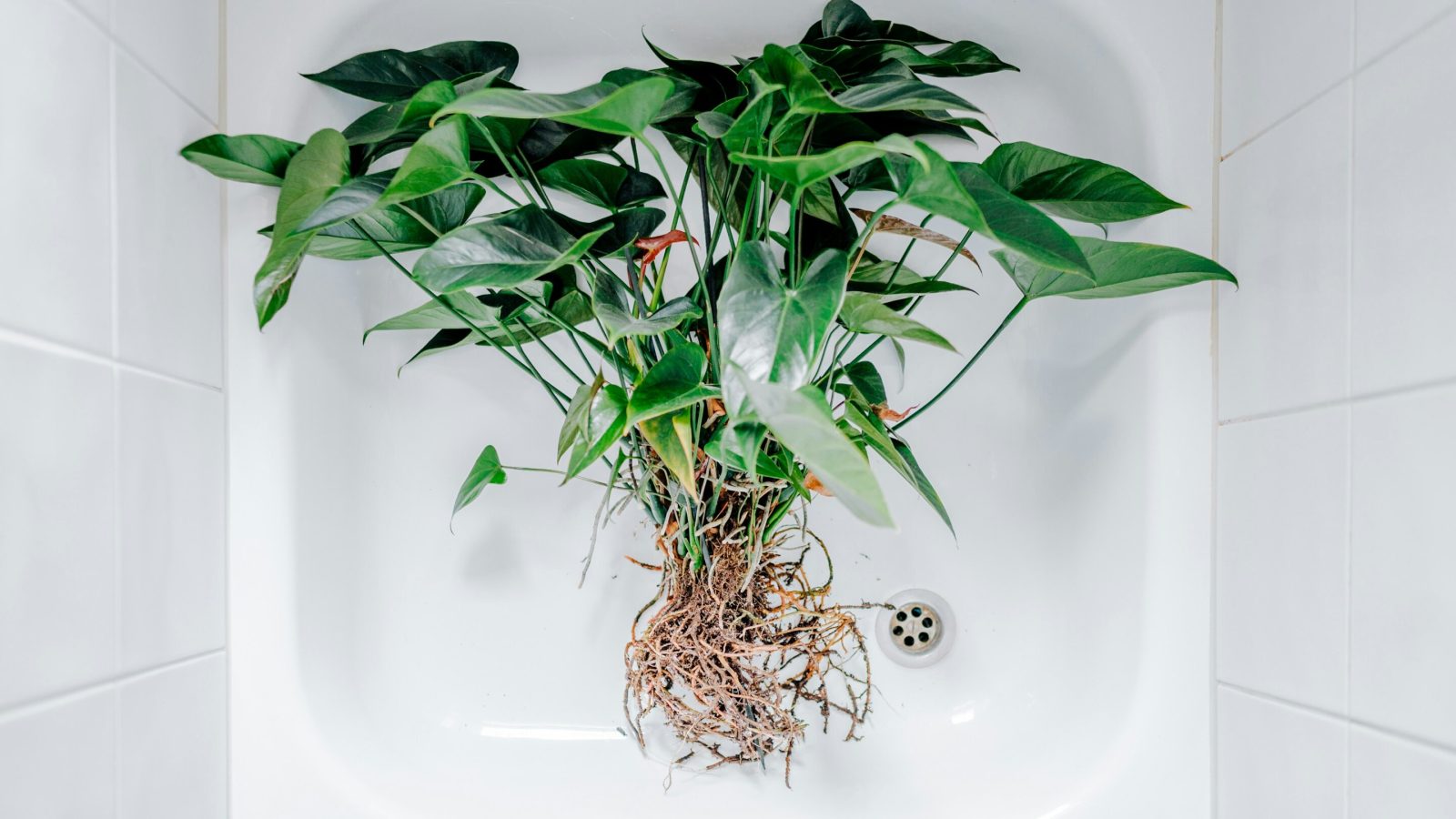
Scientists know what nutrients plants need to grow, but they do not fully understand every element contained within plant tissues. Plants absorb water and nutrients through their roots while also taking in other elements from their surrounding environment. These absorbed materials become incorporated into the plant itself, meaning soil composition directly shapes plant chemistry.
Preparing for off-world farming
Researchers studying potential food production on the moon and Mars must understand how regolith affects plant growth. The rocky material covering these surfaces is rich in metals that could alter what plants contain. Understanding differences caused by gravity or soil type is an important consideration before growing plants as food.
Establishing an Earth baseline
Harrison Coker and his team helped establish a clear picture of plant elements here on Earth first. This baseline data answers space questions by providing detailed information about terrestrial plant chemistry. The study was published in ACS Environmental Science & Technology after analyzing global data.
Reported by one outlet
Only one outlet has published this. Nothing here has been checked against a second report, so read it as that outlet's account and follow the link below for the original.
Reported by
1 independent outlet. Headline as published. Links open the original report.