Scientists create anti-spin ice using attracting particles in a new study
Researchers reported the creation of an anti-spin ice system that breaks conventional magnetic rules in a recent Nature Communications study.
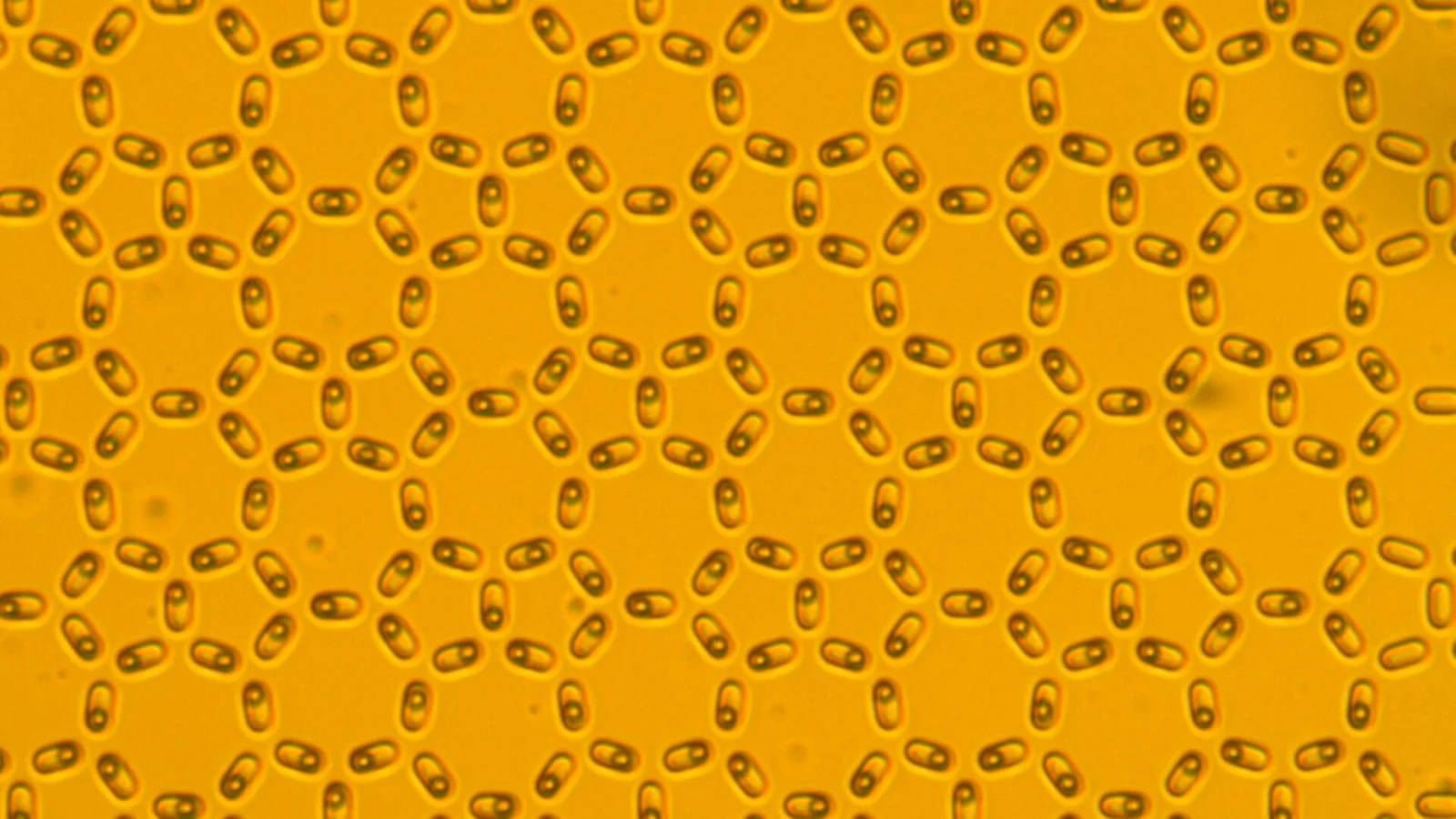
New system defies standard rules
Conventional spin ices mimic the disorder found in water ice where hydrogen atoms arrange themselves around oxygen atoms. This natural arrangement follows an ice rule that keeps some atoms close while pushing others away. The new study describes a system that does the opposite of these conventional magnetic systems.
Attracting particles change behavior
Previous artificial spin ices used tiny magnets or colloidal particles that repel each other to spread out evenly. In this experiment, scientists examined what happens when those particles instead attract one another. This attraction allows the system to break the ice rule that governs traditional spin ices.
Particles sit in lattice wells
The engineered systems consist of arrays of tiny magnets or microscopic particles placed in tiny grooves. Each particle rests near one end or the other within these arranged wells along a lattice. The imbalance of particles at each junction remains small as the system settles into its new state.
Reported by one outlet
Only one outlet has published this. Nothing here has been checked against a second report, so read it as that outlet's account and follow the link below for the original.
Reported by
1 independent outlet. Headline as published. Links open the original report.